Introduction
The 20 centavos coin of 1921 is part of the centavos and escudo series issued by the First Portuguese Republic following the monetary reform of the early 1920s.
At first glance, it may appear to be a common circulation coin, but it includes variants and rarities — especially the well-known “smaller module” version — that are of great interest to collectors.
Description and Technical Specifications
- Issuer / Period: Portuguese Republic
- Year: 1921
- Denomination: 20 centavos (0.20 escudo)
- Composition: Cupronickel (copper–nickel)
- Diameter: standard version ≈ 23 mm; rare “smaller module” ≈ 22–22.25 mm
- Weight: about 5.9–6.0 g (slight variation between types)
- Edge: reeded
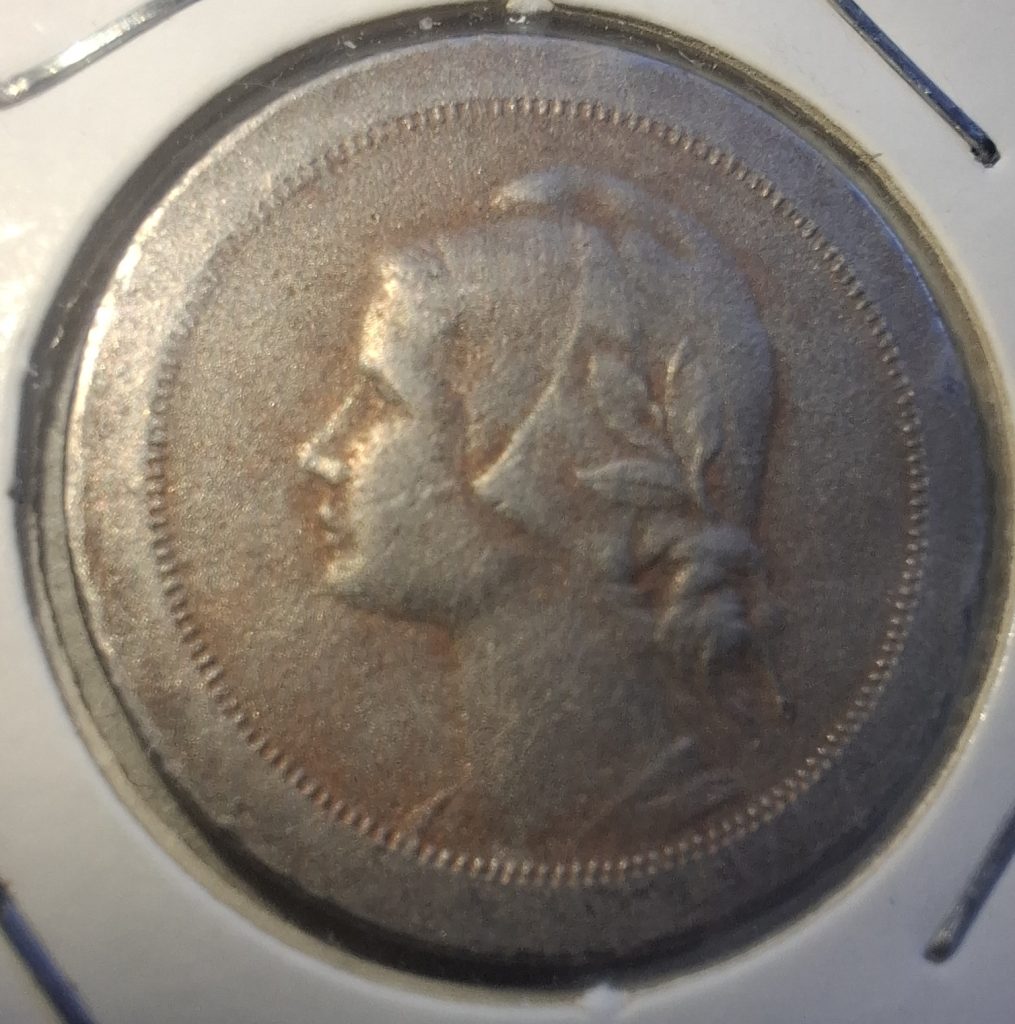
- Obverse: female head representing the Republic (allegorical style), surrounded by a circular border
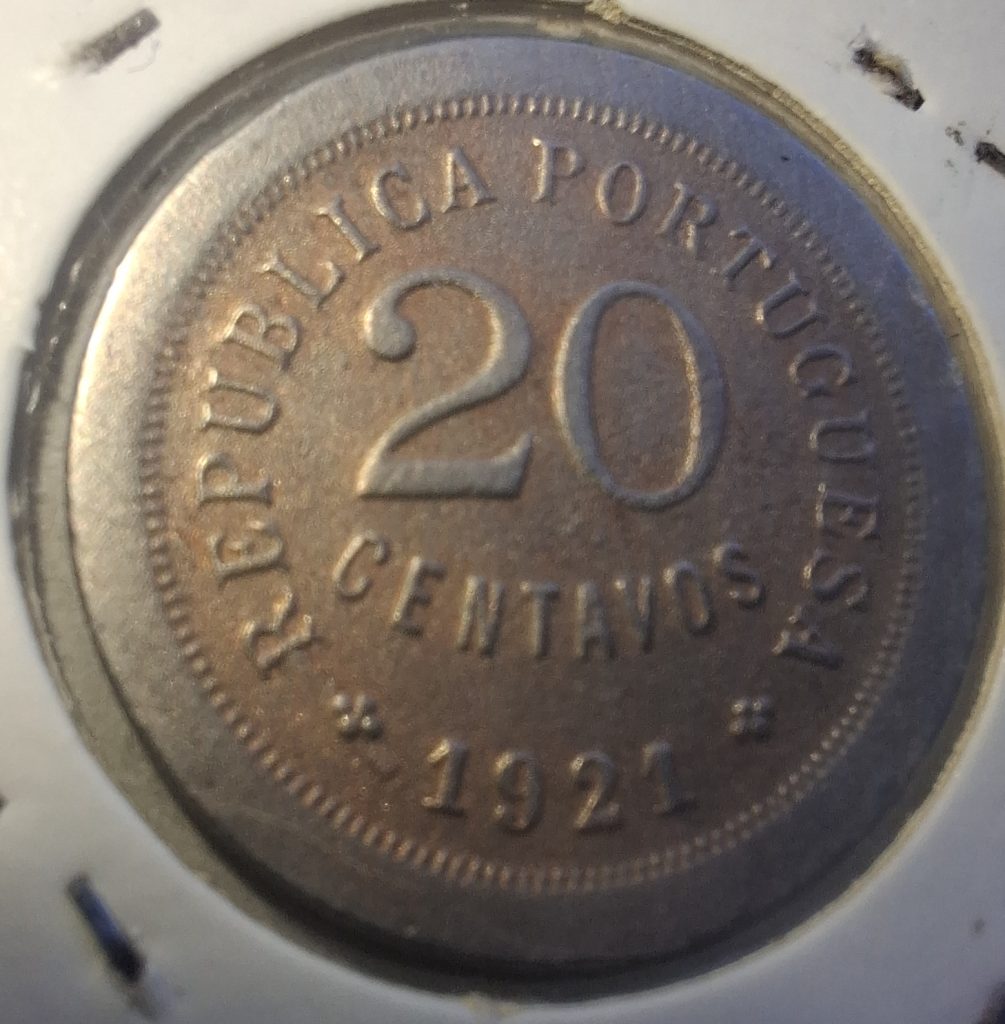
- Reverse: large central “20,” with the legend “REPUBLICA PORTUGUESA” around and the date below
The specifications and images of these versions are recorded in recognized numismatic reference catalogues and databases.
Mintage and Historical Context
According to standard references (KM / Standard Catalog of World Coins), the reported mintage for 1921 is approximately 3,030,000 pieces.
The cupronickel centavos series was authorized by Law No. 990 (25 June 1920) and discontinued by later legislation. These coins were eventually withdrawn from circulation a few years afterward.
Varieties and Rarities (What to Look For)
Several important varieties significantly affect collector interest and value:
- Common version (Ø ≈ 23 mm) — the most frequently encountered type in collections and on the market.
- Open “P” / legend variations — minor differences in lettering (“open P,” etc.) noted by experts and dealers.
- “Smaller module” (Ø ≈ 22–22.25 mm) — a rare and highly sought-after variety, catalogued separately and often sold at high prices when in good condition.
Many auction houses and dealers highlight this as the most collectible variant of the 1920–1922 issues.
Numismatic Value — Indicative Price Ranges
Prices depend heavily on the variant and the state of preservation (e.g., common type — circulated / fine / very fine; higher grades: Extremely Fine, About Uncirculated, Uncirculated).
- Common version, circulated (average states): typically €15 – €40 from online dealers and coin shops. Higher-grade examples may reach slightly above that range.
- Common version, uncirculated (UNC / FDC): usually sold in the tens of euros, according to catalog and auction listings.
- “Smaller module” variant (rare): can reach very high prices — auction and dealer records show offers and sales between €1,500 and €2,100 (or more) for well-preserved pieces.
Verified examples of such sales appear in specialized Portuguese and international auction archives.
Note: These are indicative market ranges based on observed listings; actual sale prices depend on the individual coin, provenance, and current market demand.
How to Identify and Evaluate a Coin
- Measure diameter and weight: the difference between ~23 mm (common) and ~22 mm (small module) is subtle but crucial; use a precision caliper and digital scale.
- Examine the legend and typography: letter and punctuation variations (e.g., “open P”) are catalogued and can influence value.
- Preserve condition: scratches, surface wear, or harsh cleaning drastically reduce value. For resale, documentation (provenance, auction history) adds credibility.
- Consult references and experts: use Numista, KM/Standard Catalog, or Portuguese specialized dealers for accurate identification.
Tips for Buying and Selling
- For common pieces, use reputable coin shops, collector platforms (e.g., Pronumis, Coleccionismo), or online marketplaces to compare pricing.
- For rare variants (smaller module), expert authentication is strongly recommended — preferably through recognized auction houses or reputable dealers, as the price gap between common and rare versions is large, and misattributions and counterfeits do exist.
Conclusion
The 1921 20 centavos coin has a dual presence in the numismatic market:
on one hand, a relatively common and affordable circulation piece accessible to most collectors; on the other, rare variants (especially the smaller module) that command significantly higher prices and collector interest.
Anyone owning this coin should carefully measure and photograph it, compare it with catalog references, and if a rare variant is suspected, seek professional evaluation before selling.