Introduction
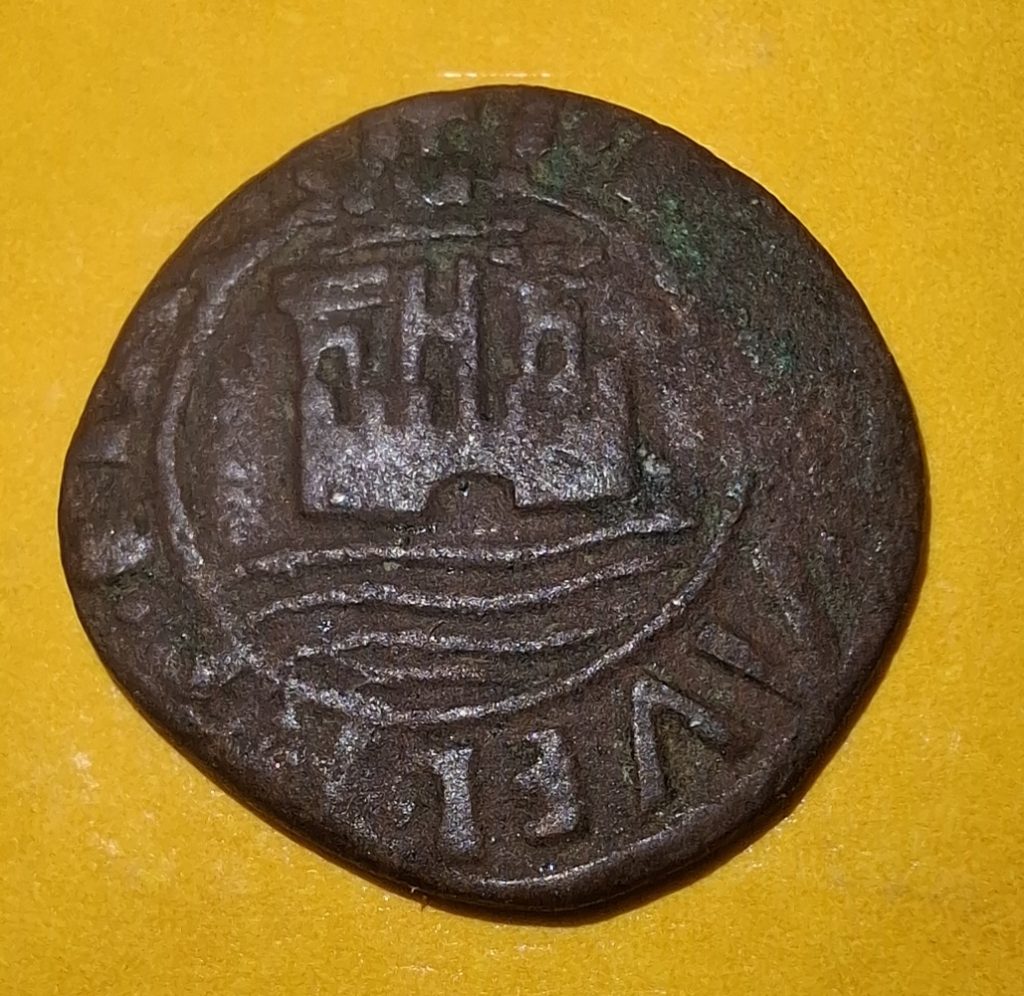
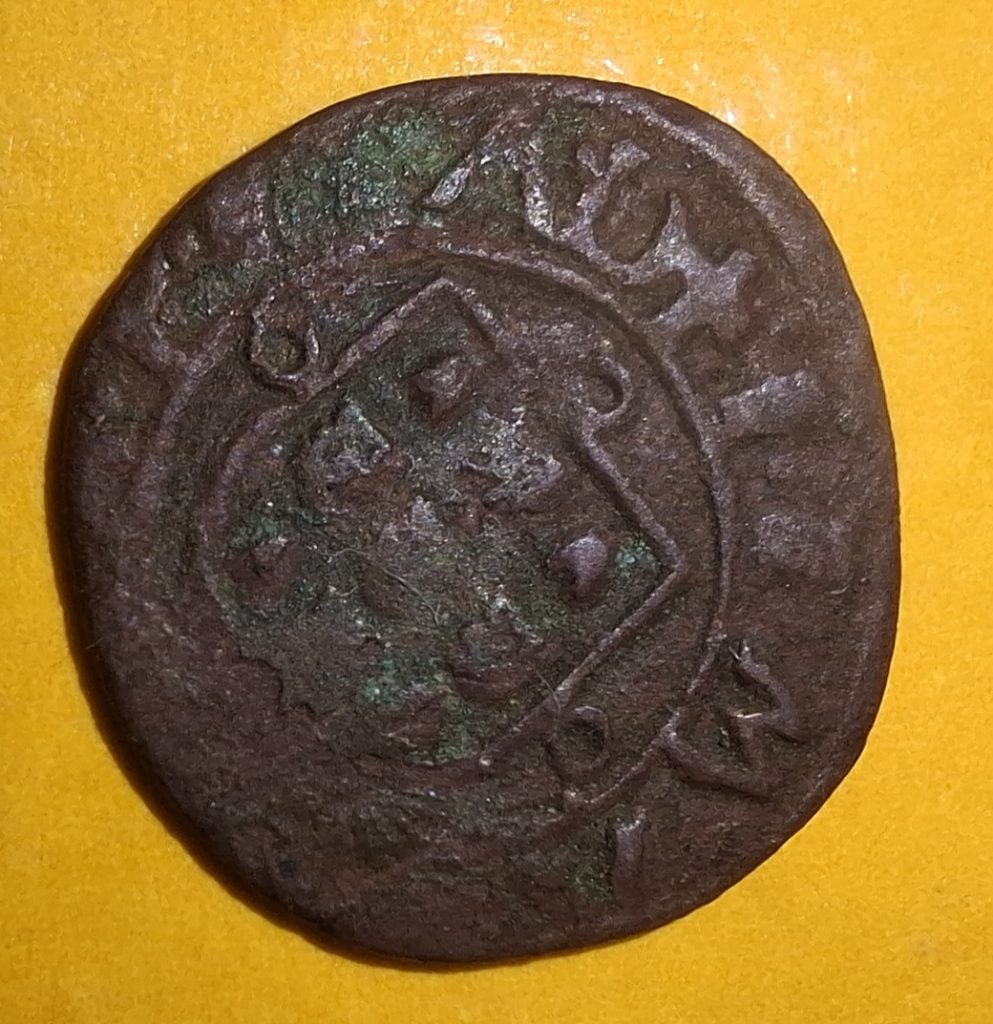
The ceitil is one of the most emblematic coins from the Portuguese Age of Discoveries. Under the reign of Dom Manuel I (1495–1521), it became a widely circulated coin with significant economic importance. Known as “the Fortunate,” Dom Manuel I consolidated the kingdom’s wealth through overseas trade and maritime expansion, and his coins reflect both the stability and sophistication of Portugal’s early 16th-century economy.
Historical Context
The term ceitil originates from the Arabic word “satiyal” and was introduced in Portugal as early as the 14th century. During Dom Manuel I’s reign, the ceitil was primarily used for low-value transactions, being a copper or bronze coin that facilitated everyday commerce. It circulated widely in cities, towns, and marketplaces, playing a crucial role in the domestic economy and in Portuguese colonies.
Coin Characteristics
The ceitil of Dom Manuel I has several notable features:
- Material: Copper or bronze
- Weight: Approximately 0.8–1.2 grams, depending on the minting and period
- Diameter: 12–15 mm
- Obverse: Typically features the Royal Coat of Arms of Portugal, flanked by the quinas and the cross of the Order of Christ, with the inscription:
“MANVEL I D G PORT ET ALG REX”
(Manuel I, by the Grace of God, King of Portugal and the Algarve) - Reverse: Cross of Christ or simple mint marks, sometimes with the date or regional symbols
The ceitil was considered a modest coin, but it circulated extensively, representing the central authority and monetary stability of Portugal during the Age of Discoveries.
Numismatic Value
Today, the ceitil of Dom Manuel I is highly prized by collectors of medieval and Renaissance coins. Its value depends on several factors:
- Condition: Coins in good condition (sharp details, free of corrosion) can command significantly higher prices.
- Rarity: Certain ceitil variants, with minting errors or special symbols, are extremely rare.
- Provenance: Coins with a known collection history or from certified archaeological finds tend to fetch higher prices.
Market estimates:
- A common ceitil in average condition: €50–€200
- Rare or well-preserved specimens: over €500 in specialized auctions
Conclusion
The ceitil of Dom Manuel I is more than just a coin; it is a testament to Portuguese economy, artistry, and history at the height of the Age of Discoveries. For collectors, historians, and numismatic enthusiasts, it offers a tangible window into 16th-century Portugal, reflecting both daily life and the grandeur of a maritime empire.
Variants, Characteristics, and Estimated Values
| Variant | Material | Weight (g) | Diameter (mm) | Obverse | Reverse | Average Condition | Estimated Value (€) |
|---|---|---|---|---|---|---|---|
| Ceitil with Cross of Christ | Copper | 1.0 | 13–14 | Coat of Portugal with quinas and cross | Cross of Christ | Good | 50–100 |
| Ceitil with Simple Shield | Copper | 0.9 | 12–13 | Simplified shield | Dots or mintmark | Fair | 40–80 |
| Ceitil with Date and Mintmark | Copper | 1.1 | 14–15 | Full shield, legible date | Cross or mintmark | Very Good | 120–200 |
| Rare Variant Ceitil (minting error) | Bronze | 0.8–1.2 | 12–15 | Shield with errors or misalignments | Incomplete or inverted cross | Good/Excellent | 300–500+ |
| Certified Archaeological Find Ceitil | Copper | 0.9–1.2 | 13–15 | Traditional shield | Cross or regional symbol | Excellent | 400–700+ |