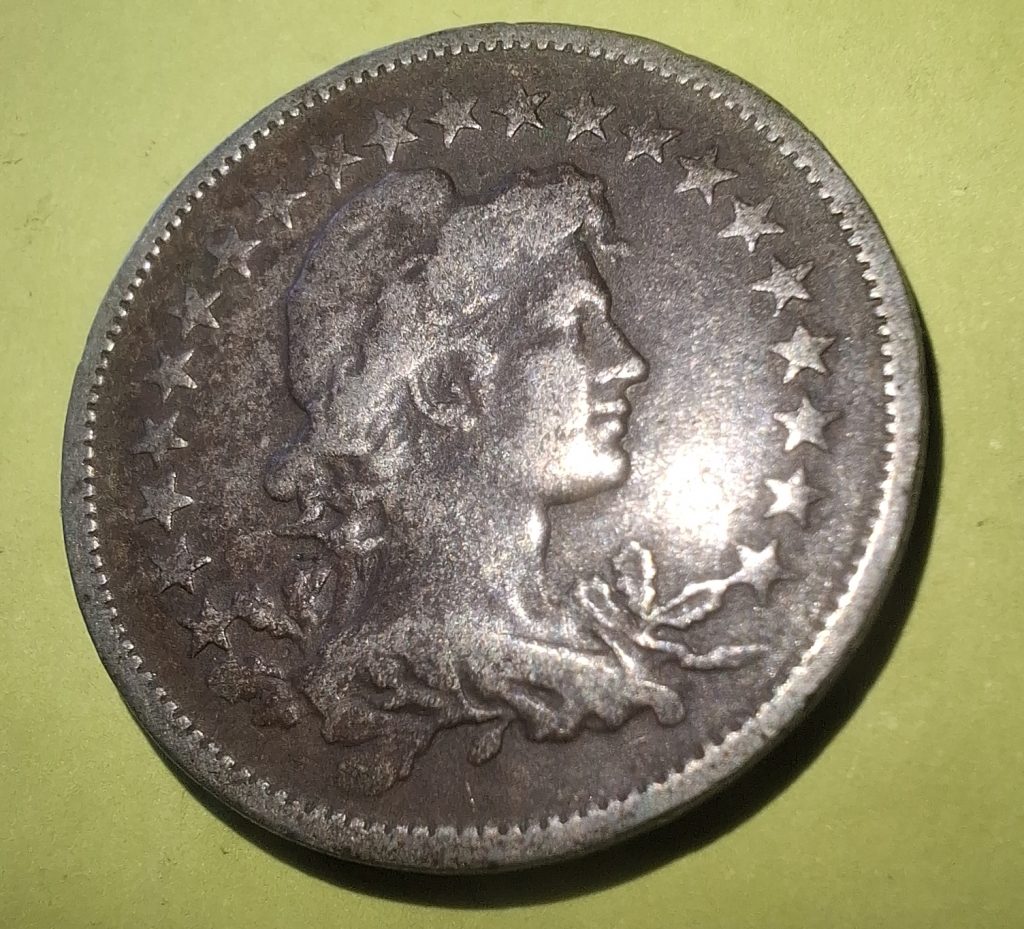
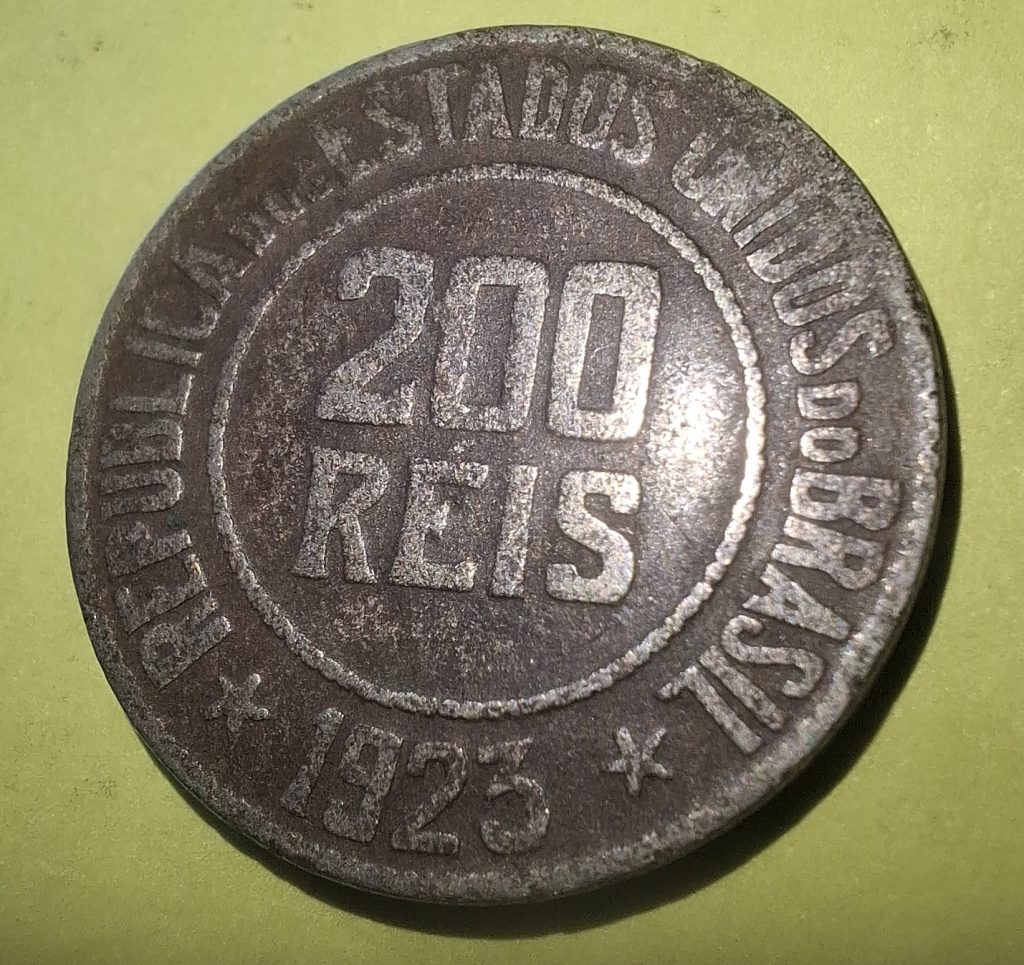
The trajectory of Brazil’s currency reflects the political, economic, and social transformations the country has undergone over more than five centuries. From the colonial era to the Real, each monetary change tells part of the story of Brazil’s development — and often of its crises.
1. Before a National Currency: The Colonial Period
In the early years of Portuguese colonization, Brazil did not have its own currency. The economy relied mostly on barter and on using products such as cocoa, cotton, and sugar as payment. The coins that circulated here came from abroad: gold, silver, and copper coins from Portugal, Spain, and the Netherlands.
After the discovery of gold in Minas Gerais at the end of the 17th century, the metal became the basis of transactions. Minting houses produced ingots and coins, but there was still no officially Brazilian currency.
2. The First “Brazilian” Money: The Réis
With the arrival of the Portuguese royal family in 1808 and the administrative restructuring of the colony, the first regular coin emissions began. The monetary unit was the Portuguese real, written as “réis.”
The réis continued as the official currency even after Independence (1822) and into the Empire. It became the longest-lasting currency in Brazilian history: it remained in use until 1942.
3. Republic and Modernization: The Cruzeiro (1942–1967)
During Getúlio Vargas’s Estado Novo, the government decided to modernize the monetary system. The cruzeiro was created, replacing the réis at a rate of 1 cruzeiro = 1,000 réis.
This was a period of accelerated industrialization, but also growing inflation. Over the years, the cruzeiro went through several changes and adjustments.
4. The Era of Rapid Currency Changes: Cruzeiro, Cruzeiro Novo, Cruzado…
Starting in the 1960s, Brazil entered a cycle of inflation and hyperinflation that destabilized the currency. Several transitions followed:
- Cruzeiro Novo (1967): 1 cruzeiro novo = 1,000 cruzeiros
- Return of the Cruzeiro (1970): keeping the Cruzeiro Novo’s value
- Cruzado (1986): created under the Cruzado Plan; 1 cruzado = 1,000 cruzeiros
- Cruzado Novo (1989): 1 cruzado novo = 1,000 cruzados
- New Cruzeiro (1990) and later Cruzeiro Real (1993)
These changes were attempts to contain hyperinflation, which eroded purchasing power month after month — and most attempts were unsuccessful.
5. The Turning Point: The Real Plan (1994)
In 1994, the government implemented the Real Plan, one of the most successful economic reforms in Brazil’s recent history. Before the new currency entered circulation, the government created the URV (Unit of Real Value), which served as a transitional unit to stabilize prices.
On July 1, 1994, the Real (R$) was introduced, with 1 real = 2,750 cruzeiros reais.
The real effectively stabilized the economy and remains Brazil’s official currency to this day — with multiple phases, notes, and security features introduced over time.
6. Curiosities
- The real is the first Brazilian currency to maintain stable purchasing power for more than 20 consecutive years.
- The name “real” is a historical reference — it was the name of the Portuguese currency used during the colonial period.
- Brazil has changed its monetary standard more than 10 times, showing how its economy has gone through highs and lows before reaching relative stability.