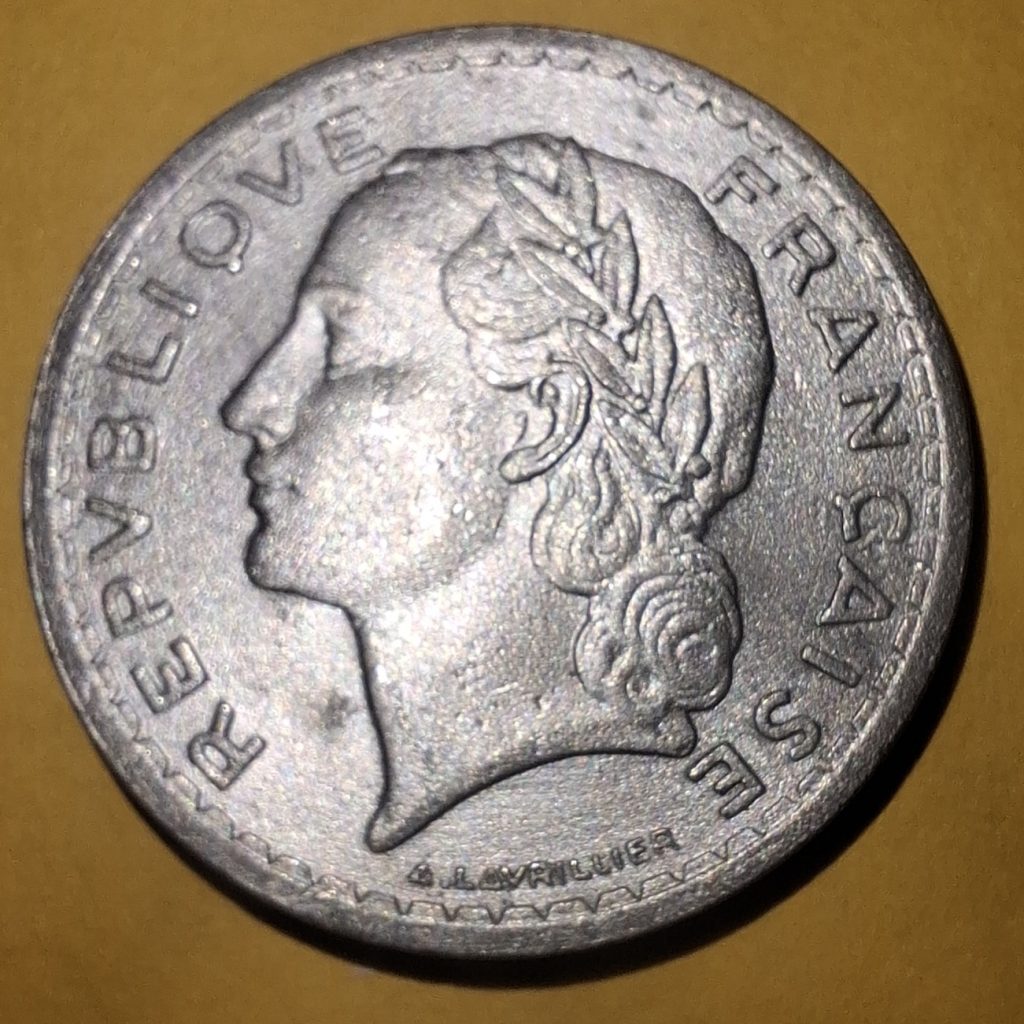
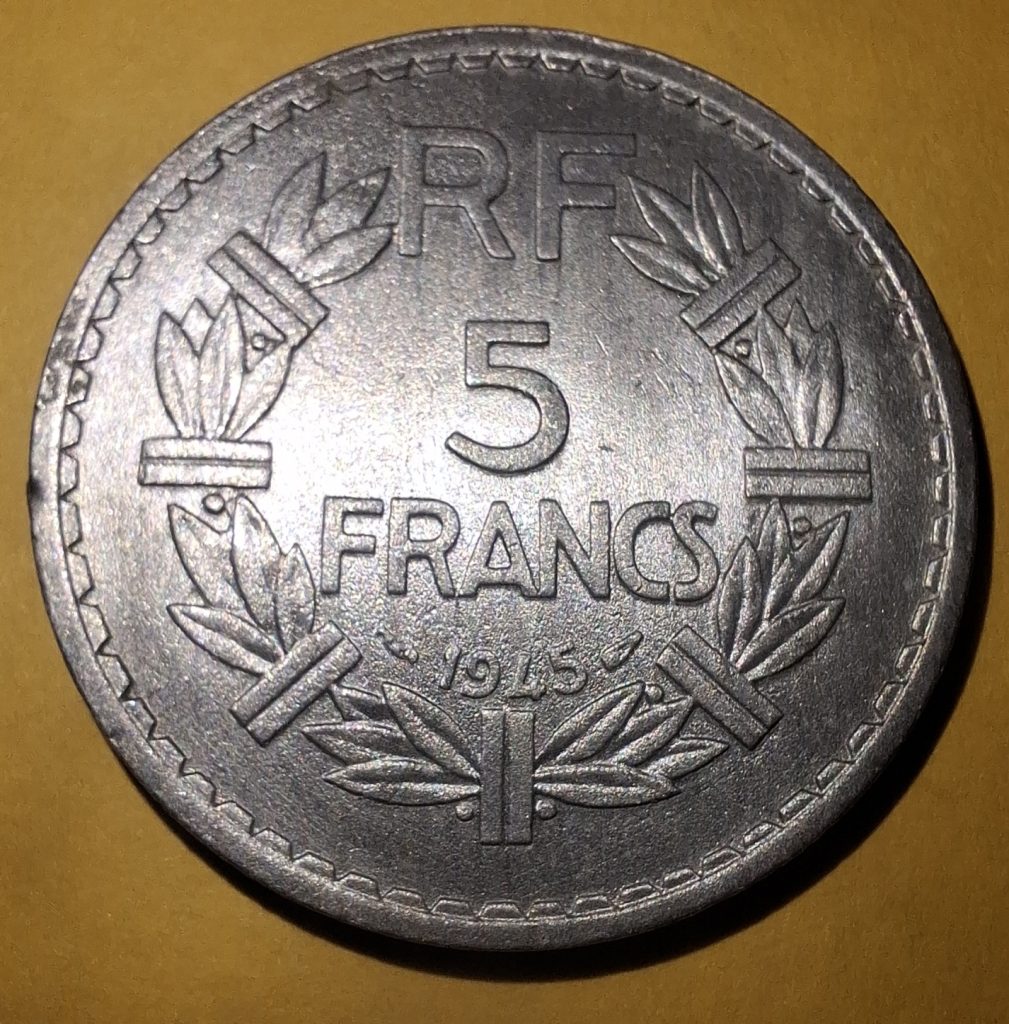
Before the euro officially entered circulation in 2002, each European Union country used its own national currency. In France’s case, that currency was the French Franc — or franc français — one of Europe’s oldest and most influential monetary units.
Medieval Origins: The Birth of the Franc
The history of the franc dates back to the 14th century. It first appeared in 1360 during the reign of John II of France, known as John the Good. At the time, France was in the midst of the Hundred Years’ War and facing a major financial crisis. To help pay the king’s ransom after he was captured by the English, a gold coin called the franc à cheval, featuring the monarch on horseback, was created.
Although its circulation stopped and restarted several times over the centuries, the name “franc” remained strongly tied to France’s monetary identity.
The Modern Franc: From the French Revolution to the 20th Century
The franc took on its modern form in 1795, during the French Revolution, when it was adopted as the official currency to replace a patchwork of regional systems and coins.
Over time:
- It became one of Europe’s most stable currencies in the 19th century.
- It took part in the Latin Monetary Union, an early attempt to standardize currency across several European countries.
- It weathered two world wars, inflation, and numerous economic reforms.
A major turning point came in 1960 with the introduction of the New Franc (nouveau franc) due to monetary devaluation. The conversion rate was simple:
1 new franc = 100 old francs
The Transition to the Euro
The franc’s story began to wind down when the European Union moved forward with monetary integration. On January 1, 1999, the euro was introduced as an electronic currency (for bank transfers, financial markets, etc.). The franc continued to circulate physically until January 1, 2002, when euro banknotes and coins entered everyday use.
The conversion rate was fixed as:
1 euro = 6.55957 French francs
The Legacy of the Franc
Even after being replaced, the franc retains a special place in France’s collective memory. It represents centuries of history, national identity, and deep economic transformations.
Collectors still value franc coins and banknotes — from the colorful designs of the 20th century to rare 19th-century pieces — and the currency’s artistic style is remembered as one of Europe’s most beautiful.