Historical context
The 2 centavos coin of 1918 was issued during the Portuguese First Republic (1910–1926), a period marked by political instability and economic hardship. Its creation is linked to the monetary reform of 1911, which replaced the real with the escudo as Portugal’s official currency.
By 1918, Portugal was dealing with the effects of World War I, including inflation and shortages of traditional metals. As a result, iron was used for minting this coin, an unusual and less durable material.
Technical characteristics
The coin has the following specifications:
- Face value: 2 centavos (0.02 escudos)
- Year: 1918
- Material: Iron
- Weight: approximately 4.6 g
- Diameter: about 23 mm
- Shape: Circular
- Series: Monetary system of 1917–1922
It was a circulation coin and was withdrawn from use in 1927.
The known mintage is relatively low for a circulating coin: around 170,000 pieces, which contributes to its appeal among collectors.
Visual description
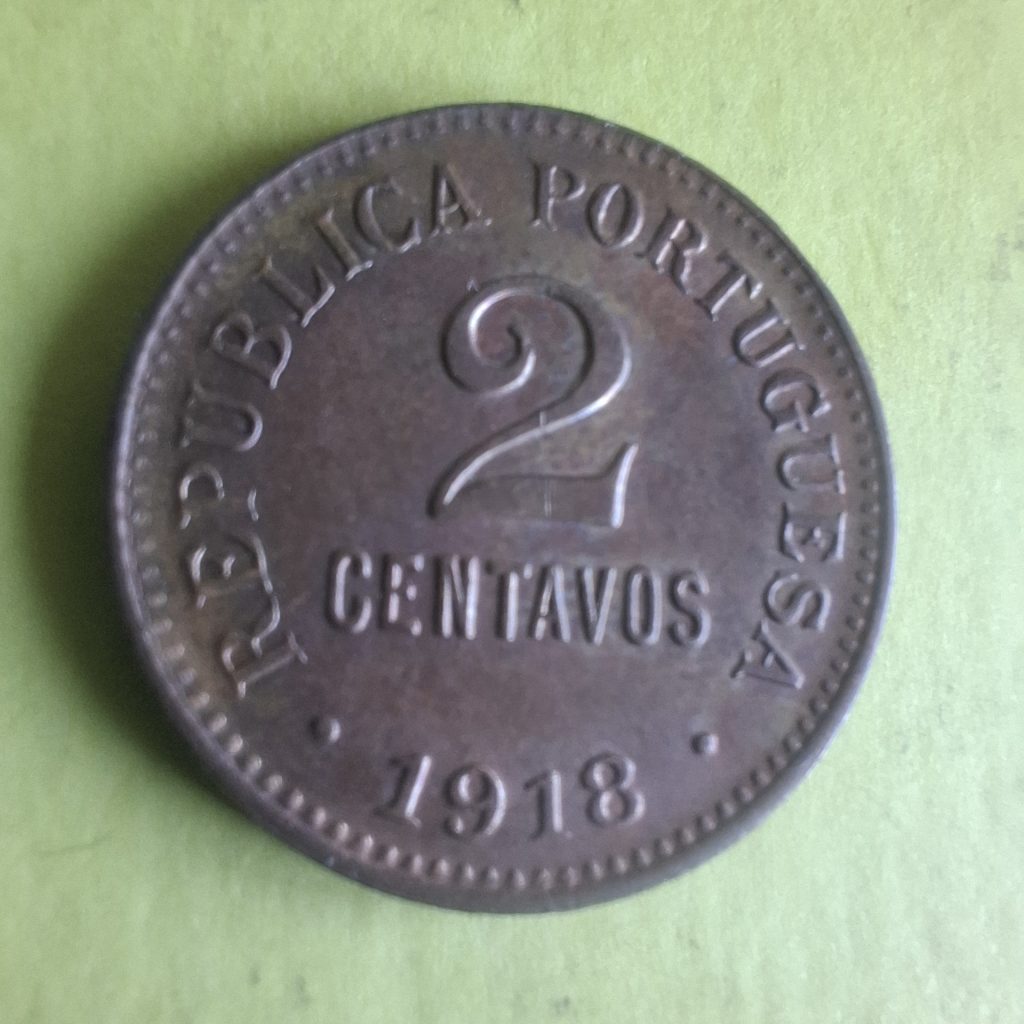
Obverse
- Displays the face value “2 CENTAVOS” at the center
- Surrounded by the inscription: “REPUBLICA PORTUGUESA • 1918 •”
- Beaded border
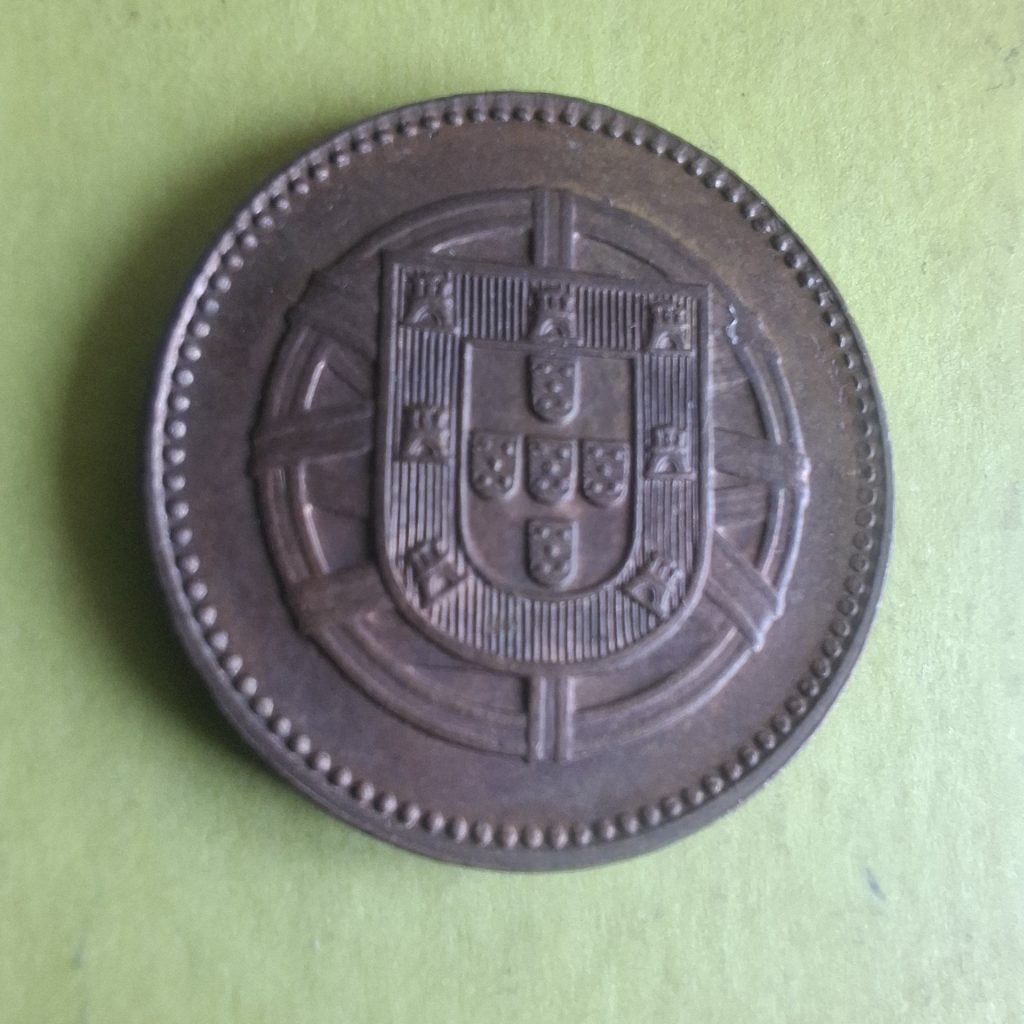
Reverse
- Portuguese coat of arms
- Placed over the armillary sphere, a historic national symbol
This design reflects the identity of the Portuguese Republic after the fall of the monarchy.
Particularities and rarity
One of the most notable aspects of this coin is its material: iron. This makes it highly prone to corrosion, meaning:
- Many surviving coins are in poor condition
- Well-preserved examples are relatively rare and more valuable
Additionally, this coin is known in numismatic circles for being frequently counterfeited, especially copies originating from Asia.
Numismatic value
The value of this coin varies significantly depending on its material and condition.
1. Iron version (KM#567)
- Average condition: حوالي €200 to €350
- Very well preserved: can reach €400 or more
2. Bronze version (more common)
There is also a bronze version with a much higher mintage and lower value:
- Between €0.25 and €2.50, depending on condition
Factors influencing value
Several factors determine the coin’s numismatic value:
- Condition: the most important factor
- Level of corrosion: common in iron coins
- Authenticity: due to the presence of counterfeits
- Relative rarity: low mintage of the iron version
Coins that have not been cleaned and retain their original patina are usually more desirable than those that have been artificially restored.
Conclusion
The 2 centavos coin of 1918 from Portugal is an excellent example of how historical, material, and economic factors influence numismatics. While common versions have little value, the iron variant stands out as a rare and collectible piece, capable of reaching significant prices when well preserved.
If you own one of these coins—especially the iron version—it is worth verifying its authenticity and condition, as it may represent a valuable collectible item.