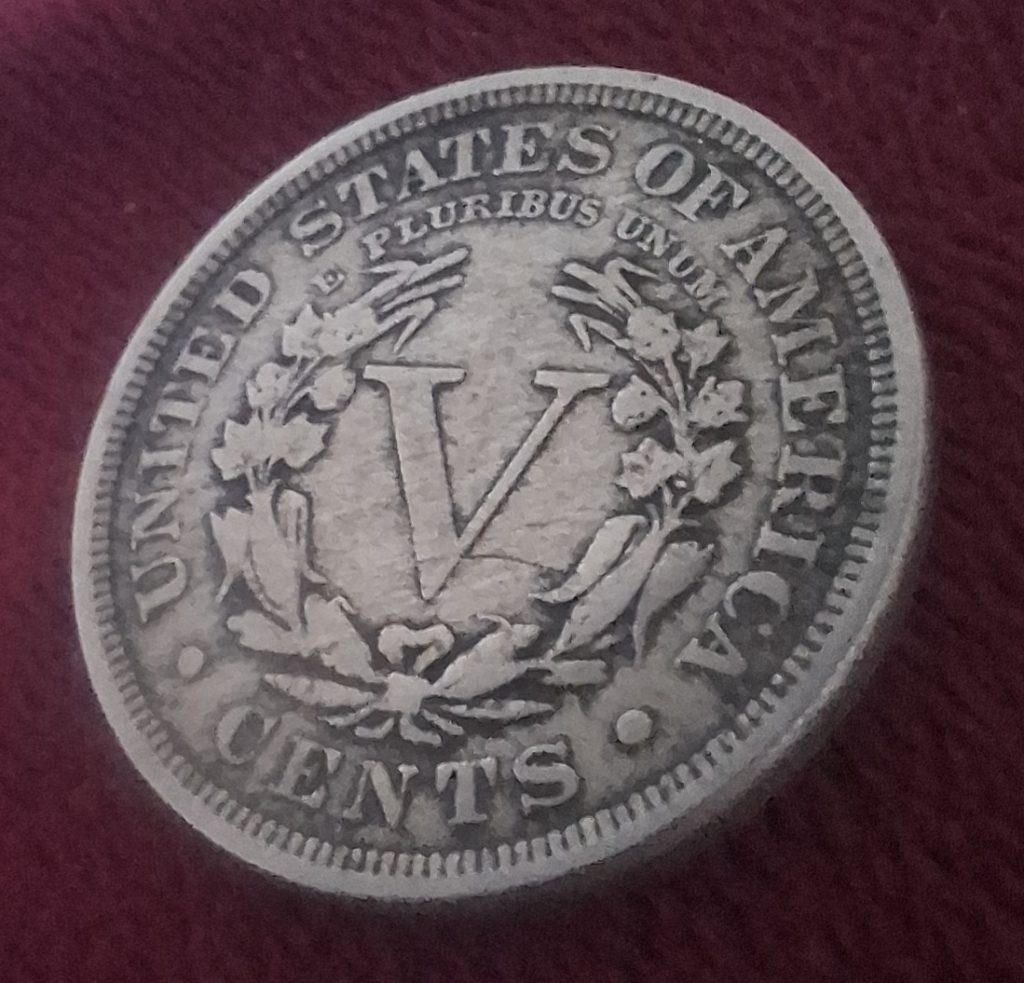
A Practical Guide for Collectors and Enthusiasts
Cleaning old coins may seem like a simple task, but it’s actually one of the most common mistakes made by beginner numismatists.
The urge to “make an old coin shine” can drastically reduce its historical and monetary value.
This guide explains how to care for your coins safely — avoiding irreversible damage.
Why Improper Cleaning Is Dangerous
Many popular cleaning methods found online — such as soaking coins in vinegar, baking soda, lemon juice, or using abrasive brushes — can corrode the metal and remove the coin’s natural patina.
The patina is a thin, stable oxidation layer that protects the coin and serves as evidence of its authenticity and age.
Removing it not only damages the surface but also devalues the piece.
Common risky methods include:
- Vinegar and citric acids: corrode copper and its alloys, leaving greenish stains.
- Baking soda and abrasives: scratch the metal and create micro-cracks.
- Commercial metal polishes: contain harsh chemicals that alter the original color and texture.
Safe and Professional Cleaning Methods
If a coin is only dusty or covered with light soil, it’s best not to clean it aggressively.
When cleaning is necessary (for example, to identify inscriptions), use only gentle and reversible techniques:
1. Dry Cleaning with a Soft Brush
Use a natural-bristle brush or a very soft baby toothbrush to remove loose dust and dirt particles.
2. Soaking in Distilled Water
Immerse the coin in distilled water (never tap water, which contains minerals) for several hours or days.
- Change the water daily.
- Gently agitate the container if needed.
- After soaking, dry the coin with absorbent paper — do not rub.
3. Neutral Soap and Distilled Water (for stubborn dirt)
Prepare a highly diluted solution of neutral soap and gently wash the coin with your fingers — never use brushes.
Rinse thoroughly with distilled water and let it air-dry on a clean cloth.
4. Professional Restoration
Very valuable coins, or those that are heavily oxidized or encrusted, should be cleaned only by a professional numismatic conservator, who uses controlled chemical solutions and precision microscopes.
Common Mistakes to Avoid
- Never use vinegar, lemon, or silver polish.
- Avoid rubbing coins with cloths or hard brushes.
- Don’t mix coins of different metals in the same bath.
- Never try to “make them shine” with household metal cleaners.
- Avoid touching the coin’s faces — sweat and skin oils cause stains.
Storage and Preservation Tips
After cleaning, proper storage is essential to maintain your coin’s condition:
- Keep coins in acrylic capsules, mylar envelopes, or numismatic albums.
- Store them in a cool, dry place, away from direct sunlight.
- Avoid sudden changes in temperature and humidity.
- Always handle coins with cotton gloves.
Conclusion: The Best Cleaning Is Prevention
In numismatics, less is more. Every intervention should be minimal and reversible.
Before cleaning, ask yourself whether it’s truly necessary — sometimes, the dirt tells part of the coin’s story.
With patience, proper materials, and good storage practices, you can preserve both the beauty and the historical value of every piece in your collection.