Assessing the value of an old coin is a process that combines history, numismatics (the study of coins), and a touch of detective work.
Many people have coins that have been passed down through generations — and some of them may be worth far more than their face value.
But how can you tell if an old coin is truly valuable?
Below, we explain the main factors that determine a coin’s value and how anyone can take the first steps to discover what their coins might be worth.
1. Factors That Influence a Coin’s Value
a) Rarity
The most decisive factor is rarity. Coins minted in limited quantities, with production errors, or as part of special commemorative editions tend to be the most sought after.
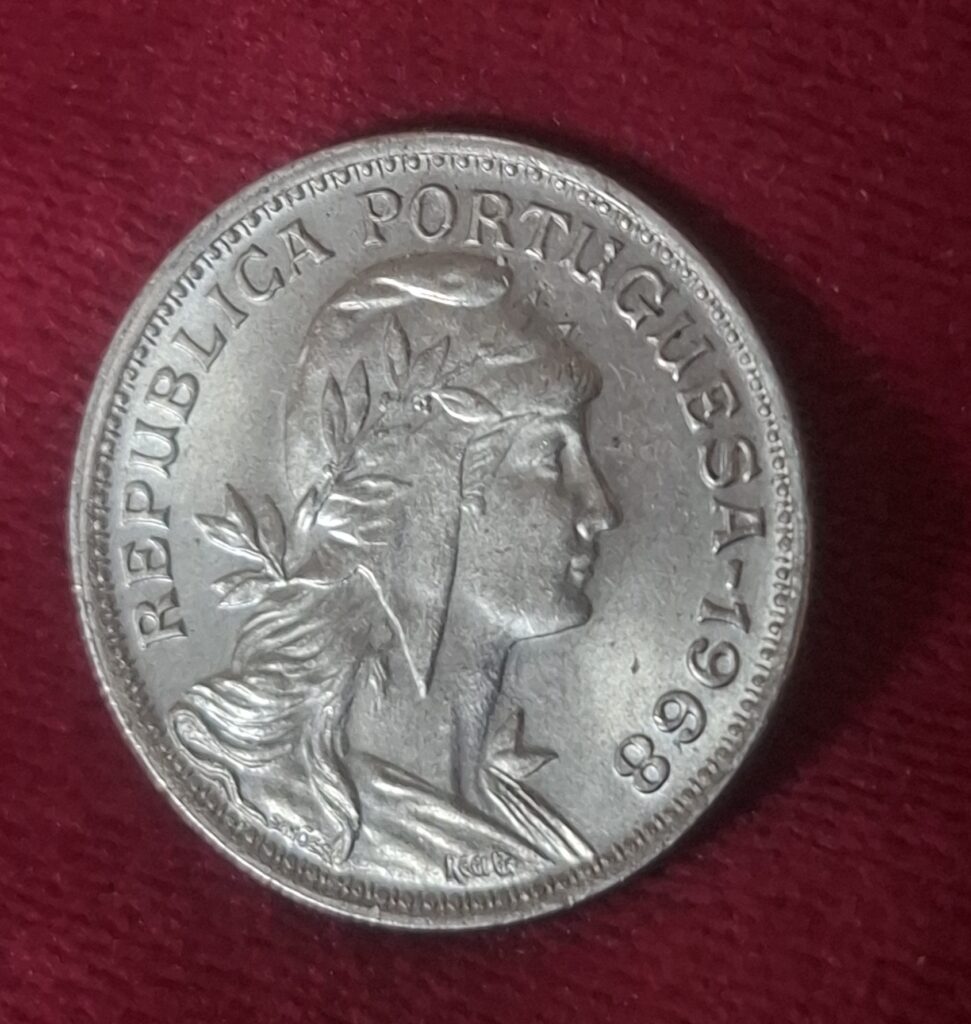
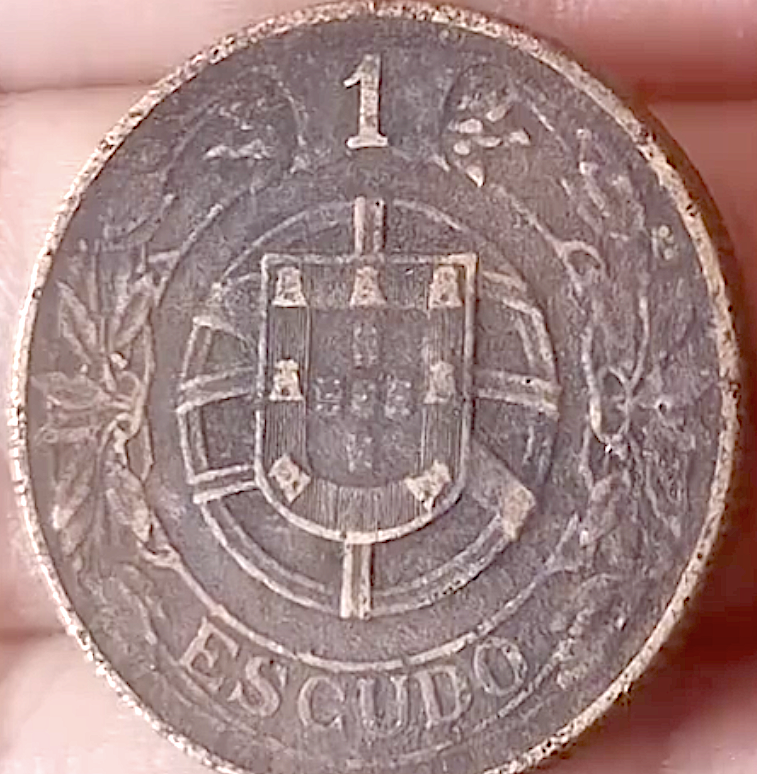
Portuguese example: the 1 Escudo 1935 coin, made of Alpaca, is one of the rarest coins from the republican period. Few have survived in good condition, and examples can fetch hundreds or even thousands of euros.
b) Condition (State of Preservation)
The physical state of the coin is crucial. In numismatics, a grading scale is used — ranging from heavily worn to uncirculated (mint state).
A well-preserved coin can be worth ten times more than the same coin in poor condition.
c) Market Demand
Even coins that aren’t rare can gain value if they are highly sought after by collectors.
Coins featuring historical figures, important events, or cultural symbols tend to attract greater interest.
d) Metal and Composition
The material a coin is made from also influences its value.
- Gold and silver coins have intrinsic value due to their metal content.
- Example: Gold coins of King Luís I (19th century) are valuable both for their gold content and their historical significance.
e) Historical Context
Coins linked to key moments in national or world history are particularly prized.
Example: Coins from the reign of King João V (1706–1750), minted during the height of Brazilian gold imports, are now symbols of the wealth and power of the Portuguese Empire.
2. Examples of Valuable Portuguese Coins
- 1 Escudo 1935 (Portuguese Republic): one of the most sought-after coins; values range from €500 to €1,500, depending on condition.
- 20,000 Réis gold coin of King João V (18th century): can exceed €5,000 at specialized auctions.
- 50 centavos 1922: hard to find in good condition; can reach €100–€300.
- 20th-century silver commemorative series, especially limited editions, are also appreciated and continue to rise in value.
3. How to Discover the Value of Your Coins at Home
Step 1: Separate and handle with care
- Do not use chemical cleaners — a soft, dry cloth is enough.
- Never try to “polish” old coins; this can destroy their numismatic value.
Step 2: Observe the details
- Note the year, material, face value, and any minting errors.
- Use a magnifying glass to read inscriptions or spot symbols.
Step 3: Research in catalogs and specialized websites
- Consult numismatic catalogs such as the World Coins Catalog or the Portuguese Coin Catalog.
- Check average prices on auction platforms like Catawiki or Numisbids.
Step 4: Compare the condition
- Look at reference images and determine whether your coin is Fine (F), Very Fine (VF), Extremely Fine (XF), or Uncirculated (UNC).
Step 5: Seek professional appraisal
- Numismatic shops, collector fairs, and certified appraisers can provide realistic estimates and, in some cases, official certification.
Step 6: Check market interest
- A coin may have great historical significance, but its price ultimately depends on whether there are buyers interested in acquiring it.
Conclusion
Evaluating the value of an old coin is about more than money — it’s a journey through history.
Rarity, condition, demand, metal, and historical context are the keys to understanding its true worth.
If you have coins tucked away at home, take some time to study them — you might discover not just an economic treasure, but also a precious fragment of Portugal’s history.