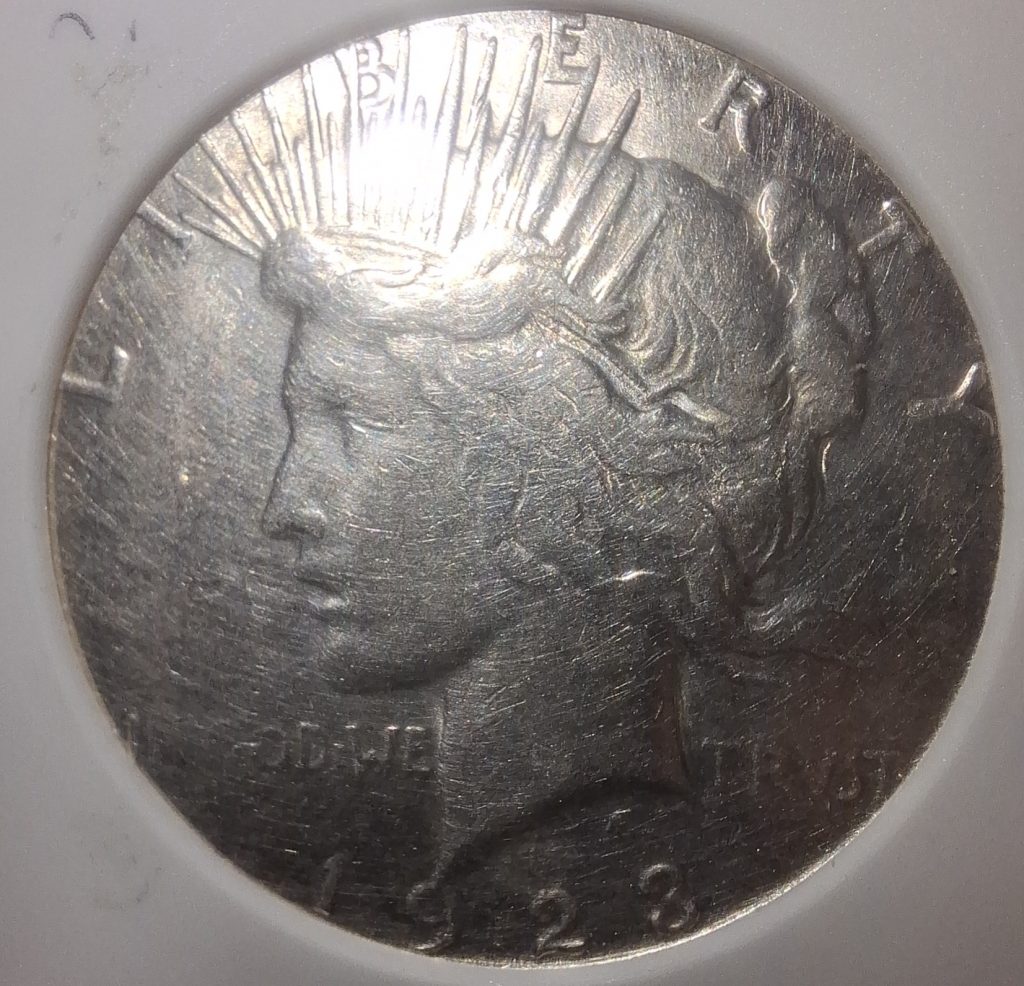
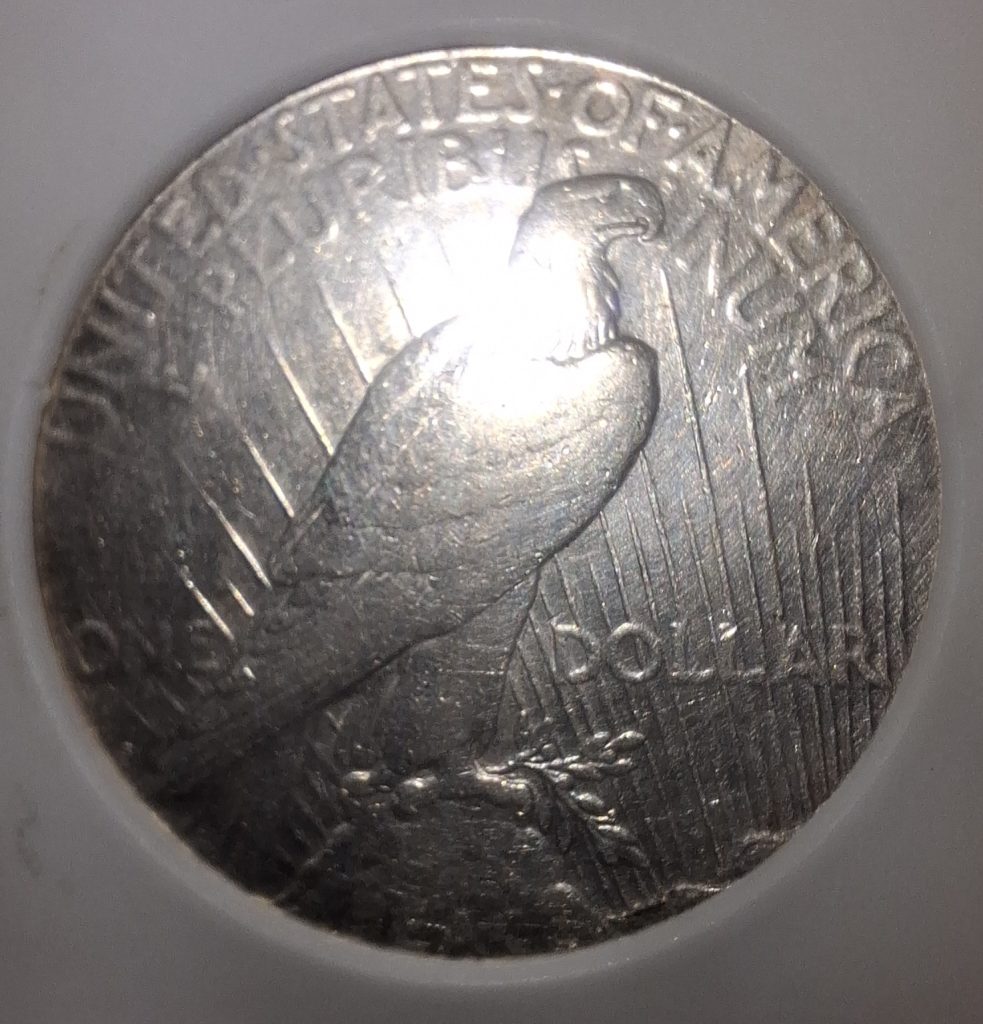
1. Historical Introduction
The 1923 Peace Dollar is one of the most recognizable silver coins of the United States, embodying the spirit of the post–World War I era — peace. Designed by Anthony de Francisci, the Peace Dollar series was first issued in 1921 to commemorate the end of the Great War and to symbolize a new age of tranquility.
The 1923 issue belongs to the period of regular production for this series. While not considered extremely rare, it features several interesting varieties, and its value can vary greatly depending on condition, mintmark, and rarity.
2. Technical Specifications
Key attributes of the coin include:
- Face value: US $1
- Composition: 90% silver, 10% copper
- Total weight: ≈ 26.73 g
- Pure silver content: ≈ 0.7734 troy ounces (oz t) of silver
- Diameter: 38.1 mm
- Edge: Reeded (with grooves)
- Designer: Anthony de Francisci
3. Minting and Mintmarks
In 1923, Peace Dollars were minted in three U.S. facilities:
- Philadelphia (no mintmark) – ≈ 30,800,000 coins
- Denver (“D”) – ≈ 6,811,000 coins
- San Francisco (“S”) – ≈ 19,020,000 coins
Because of these high mintages, especially in Philadelphia, the 1923 Peace Dollar is considered common in many grades — though prices rise sharply for high-grade or rare-variety specimens.
4. Design and Visual Details
- Obverse: Features a left-facing portrait of Liberty wearing a radiant crown, representing freedom and enlightenment.
- Reverse: Depicts an American eagle perched on a rock, holding an olive branch, with the word “PEACE” prominently inscribed below — emphasizing the post-war message.
The mintmark (“D” or “S”) appears on the reverse, below the word “ONE” and above the eagle’s tail feathers.
5. Numismatic and Market Value
5.1. Bullion / Intrinsic Value
Containing roughly 0.7734 troy ounces of silver, the coin’s metal value depends on the current silver price.
For instance, at US $30/oz t, its melt value would be about US $23–25, which often represents the minimum base price for circulated examples.
5.2. General Numismatic Value
Market value depends primarily on three factors:
(a) Mintmark, (b) Condition (grade), and (c) Presence of varieties or errors.
Approximate examples:
- Philadelphia (no mintmark):
- Circulated: US $25–45
- Mint State (MS60–63): US $55–150
- Denver (“D”):
- Lower mintage means slightly higher values in higher grades; MS64–MS66+ can increase considerably.
- San Francisco (“S”):
- Despite a large mintage (~19 million), high-grade coins (MS65 +) become scarce and can reach high prices.
Examples from guides and auctions:
- NGC lists a 1923-S MS64 around US $300, while MS66 examples may reach tens of thousands depending on appearance.
- CoinTrackers reports the 1923 (Philadelphia) at about US $27 (circulated) and up to US $106+ for higher grades.
- The 1923-D averages US $26.77 in circulated condition and can exceed US $900 in higher mint-state grades.
5.3. Factors Affecting Value
- Condition / Wear: Less wear = higher value. “Gem” coins (MS65, MS66, etc.) are especially prized.
- Luster and Strike Quality: Strongly struck coins with appealing surfaces command premiums.
- Varieties and Errors: Some 1923 Peace Dollars show unique VAM varieties such as “Whisker Jaw,” “Extra Hair,” or “Tail on ‘O’,” which can increase value.
- Mintmark Influence: Certain mint combinations and preservation levels are less common and more desirable.
- Cleaning or Damage: Harsh cleaning, polishing, or repair drastically reduces numismatic worth even if metal value remains.
6. Key Tips for Collectors and Investors
- Identify the mintmark: None = Philadelphia, “D” = Denver, “S” = San Francisco.
- Examine preservation: Look for wear, scratches, original luster, and natural toning. Uncirculated coins are worth significantly more.
- Check for varieties or errors: Rare VAMs can greatly boost value.
- Use updated price guides: Coin markets fluctuate with silver prices, collector demand, and trends.
- Consider certification: Grading by NGC or PCGS adds authenticity and can raise value, though it involves fees.
- Proper storage: Avoid cleaning; store in a stable, dry environment to preserve condition.
7. Conclusion
The 1923 Peace Dollar is a historically significant and elegant American coin that symbolizes post-war peace and optimism.
It holds tangible silver value and is readily available to most collectors, especially in mid-grade conditions.
However, for those seeking premium specimens — high-grade, strong strike, or rare variety — values can rise dramatically, making thorough research and proper evaluation essential for collectors and investors alike.