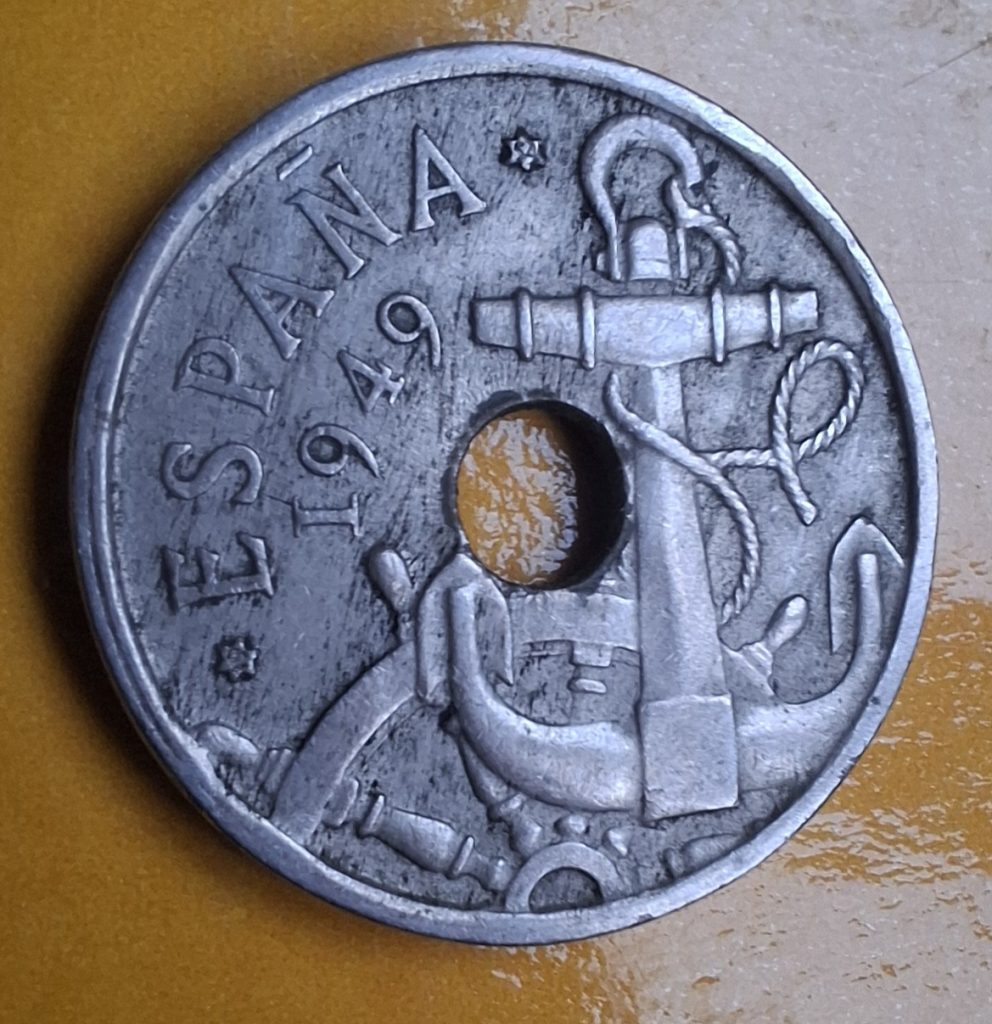
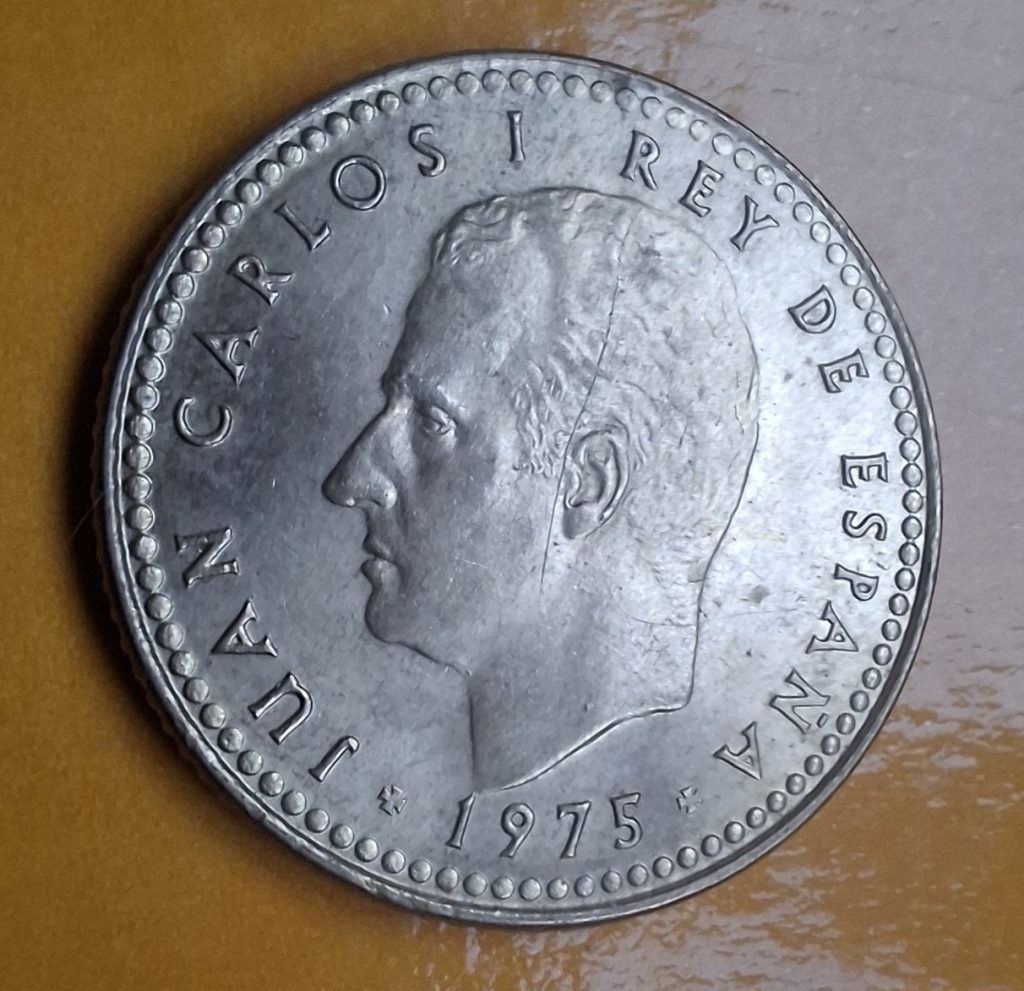
The history of Spanish currency is long and full of twists—ranging from medieval local coins to the global circulation of the “piece of eight” and, in the 20th century, the long life of the peseta, which ended with the adoption of the euro. Below is a chronological and thematic overview highlighting the most important milestones.
Medieval Origins: Maravedís and Reales
In the Middle Ages, the Iberian Peninsula had a wide variety of monetary units. One of the earliest was the maravedí, used between the 11th and 15th centuries as an accounting unit. In the 14th century, the real appeared—created under Pedro I of Castile—which became the basis of the Spanish monetary system for centuries. The real underwent several reforms and subdivisions over time, coexisting with other local currencies until it became established as the “national currency.”
The Real de a Ocho—“Piece of Eight” and the Global Coin
With the influx of silver from the Americas (Mexico, Potosí, etc.) in the 16th century, the real de a ocho (the “eight reales”), also called the peso, duro, or “piece of eight,” became an internationally circulating coin. Its size, metal content, and reliability made the real de a ocho a standard of Atlantic and Asian trade for centuries. The 1497 monetary reform standardized the coin, allowing it to gain widespread acceptance.
17th–19th Centuries: Depreciation, Multiple Series, and Reforms
In the following centuries, monetary life became more complex: different types of reales (reales nacionales, reales de vellón), gold escudos, and occasionally smaller local coins coexisted. Inflation, state crises, and the abundance of metals from the colonies led to frequent devaluations and monetary reforms. In the 19th century, after the Napoleonic Wars and internal political crises, efforts to modernize and decimalize the currency gained momentum.
Creation of the Peseta (1868) and the Modern Era
The peseta was formally established as the basic unit of the Spanish monetary system by decree on October 19, 1868; the first coins appeared in 1869, and banknotes followed a few years later. The adoption of the peseta was also motivated by the desire to align with European monetary systems, such as the Latin Monetary Union. The peseta became the official currency of Spain for more than a century.
The peseta became a daily symbol of modern Spain: it witnessed monarchies, republics, civil war, dictatorship, and the transition to democracy. Throughout much of the 20th century, it circulated in coins of various values (1, 5, 25, 50, 100, 500 pesetas) and increasingly larger banknotes as the economy grew and inflation affected purchasing power.
European Convergence and Replacement by the Euro
With European integration, Spain was among the countries that adopted the euro from the start: the euro became the official book currency on January 1, 1999, and physical coins and banknotes began circulating in January 2002, when the peseta ceased to be legal tender. The fixed conversion rate used was €1 = 166.386 pts.
Institutions and Minting
Throughout modern history, currency issuance was managed by institutions such as the Casa de la Moneda (Royal Mint) and, during the peseta era, the Bank of Spain took over note issuance and monetary regulation. The imagery on coins and banknotes changed according to regimes and periods—kings, national symbols, historical figures, and cultural motifs—making the pieces a small visual history of the country.
Legacy and Curiosities
- Many popular expressions persisted (for example, “duro” for 5 pesetas or colloquial names for small amounts).
- Spanish coins—especially the “eight reales”—had a global impact: they served as a standard of exchange in markets as far away as China and North America, even influencing the name of the U.S. dollar.
Conclusion
The history of Spanish currency reflects Spain’s economic and political history: from medieval fragmentation to royal centralization, from the imperial height of the “piece of eight” to 19th-century modernization, and finally to European integration with the euro. Each currency—maravedí, real, escudo, peseta—tells a different chapter of this evolution, marked by local and global connections.