Quick Introduction
The 1969 one-cent coin (with the Lincoln Memorial reverse) features several varieties and mint errors that attract collectors — ranging from fairly common pieces with minor striking anomalies to the extremely rare 1969-S Doubled Die Obverse (DDO), one of the most sought-after modern Lincoln cent varieties. This article explains what the “floating roof” is, how to distinguish it from other varieties (especially the famous 1969-S DDO), its likely cause, and a realistic overview of market values.
What is the “Floating Roof”?
The term “floating roof” refers to an appearance on the reverse (the Memorial side) where the roof line of the Lincoln Memorial looks visually separated or “disconnected” from the rest of the building — as if it were “floating” above it.
It’s often accompanied by other signs, such as weak letters in parts of the field (for instance, the designer’s initials “FG” for Frank Gasparro may be faint or missing) or die polishing artifacts. Many coins sold as “floating roof” examples appear in low-value mint-error lots; not all are considered true or rare varieties.
Likely Causes and How to Distinguish Genuine Errors from Polishing Effects
There are several technical explanations for the “floating” appearance:
- Die polishing or re-polishing: When the die is polished to remove debris or clash marks, parts of the design may become faint or partially erased, giving the illusion of a disconnected roof. Specialists often treat these as die polish artifacts rather than true doubled-die or hubbing errors.
- Partial striking, strike-throughs, or die clashes: Dirt, scratches, or foreign material on the die can also cause strange markings that mimic a roof separation.
- Different phenomenon — the 1969-S DDO: This is a genuine and entirely different error. The 1969-S Doubled Die Obverse shows strong doubling on the obverse (LIBERTY, IN GOD WE TRUST, and the date), caused by misaligned hubbing. It’s extremely valuable and should not be confused with a “floating roof” on the reverse.
How to Identify Correctly (Quick Checklist)
- Check the obverse (Lincoln’s portrait): The 1969-S DDO shows clear doubling on the hair, LIBERTY, IN GOD WE TRUST, and/or the date. If you see that, it’s not a “floating roof” but the famous doubled die.
- Examine the reverse (top of the Memorial): The “floating roof” effect is seen as a visual gap or weakening in the roof line. Compare with reference photos of known examples.
- Look for the “FG” initials: Missing or weak initials can accompany some 1969 varieties, but can also result from die wear or over-polishing.
- If you suspect something valuable (DDO or a rare variety): Submit the coin to a professional grading and authentication service (PCGS, NGC, ANACS). Many coins sold as “DDOs” are not authentic and may simply show machine doubling.
Numismatic Value — Practical Ranges
- Typical “floating roof” pieces: Most sell for only a few dollars to a few tens of dollars, depending on condition (circulated vs. BU). Many are uncertified and regarded as minor anomalies.
- Recognized varieties (e.g., “No FG” FS-901): These are officially listed in PCGS/Cherrypickers’ guides, and values vary widely depending on grade.
- The 1969-S Doubled Die Obverse: Entirely different in rarity and value — authenticated examples are exceptionally rare (only dozens certified) and have sold for tens of thousands of dollars in high grades, with some exceptional sales exceeding six figures. Professional certification is absolutely essential for such pieces.
Authenticity and Buying/Selling Tips
- Beware of counterfeits and misidentified errors: The market for the 1969-S DDO has many fakes and misattributed coins (e.g., mechanical doubling or altered surfaces). Only trust PCGS/NGC/ANACS-certified specimens.
- Take clear photos of the obverse and reverse — especially the date, mintmark “S,” and the top of the Memorial — for a preliminary assessment.
- If selling: Have the coin graded for maximum return if it’s a recognized variety. For ordinary “floating roof” pieces, expect modest prices.
Conclusion
The so-called “floating roof” on 1969 Lincoln cents is an interesting die-polish anomaly that can intrigue mint-error collectors but usually does not represent a high-value rarity.
In contrast, the 1969-S Doubled Die Obverse is one of the most valuable modern U.S. varieties — extremely rare and capable of commanding five- or six-figure prices when authenticated.
If you own a coin showing these features, compare it carefully with certified examples, and when in doubt, seek professional grading to confirm authenticity and true value.
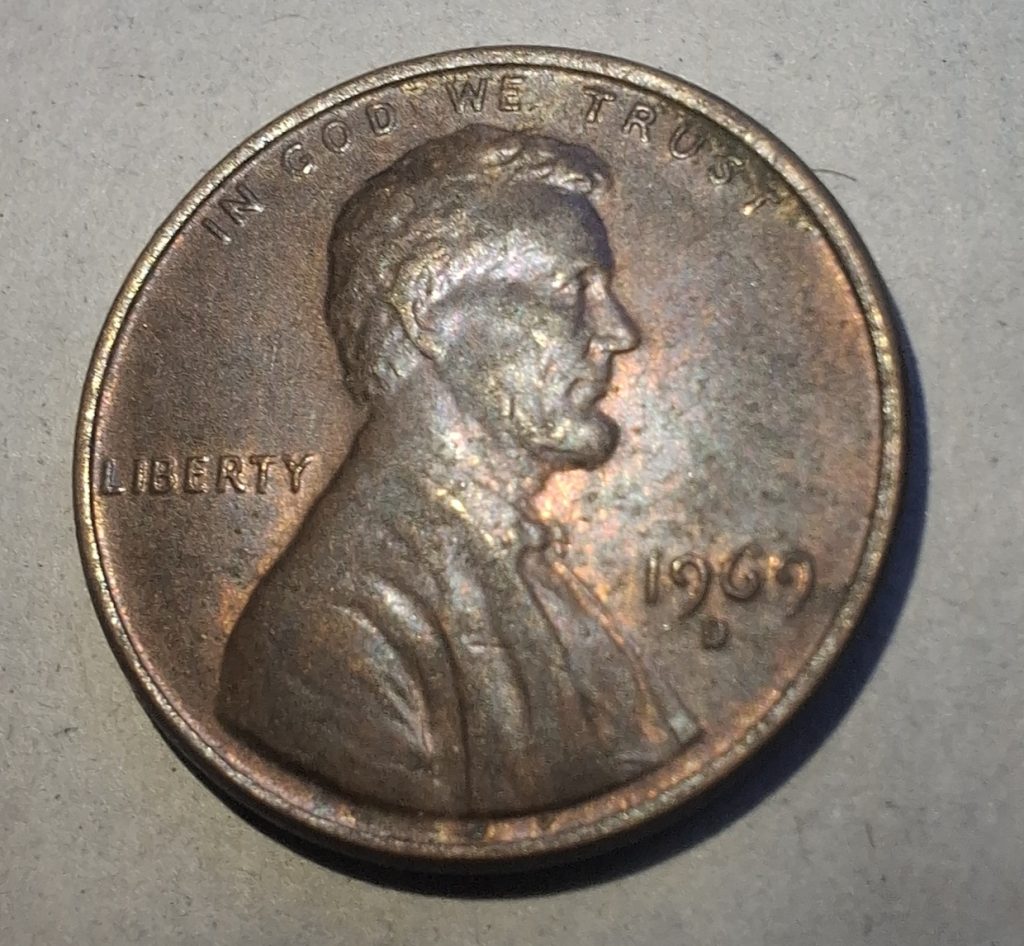
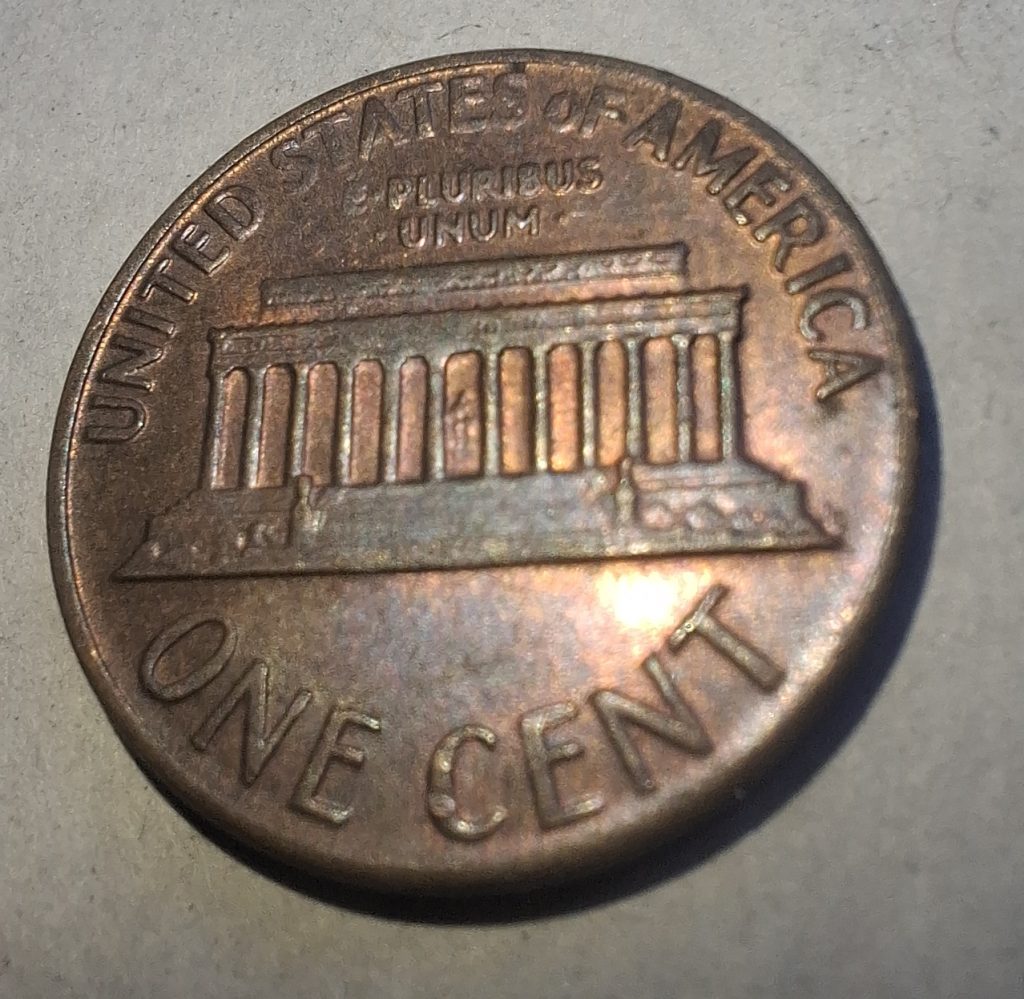
@greatworldcoins amazing find of Usa 1 cent Mint State 1969 - S with floating roof error 🤩🤩🤩🤩🤩 #viral_video #trendingvideo #coins #foryоu #unitedstates ♬ Escape Velocity - ERA 0