Introduction
The currency of New Zealand, known today as the New Zealand dollar (NZD), is one of the most stable and widely used in the South Pacific.
Its evolution mirrors the country’s own history — from British colonization to gradual independence and the development of a distinct national identity.
1. The First Forms of Exchange
Before the arrival of European settlers, the Māori people relied on a barter system, trading goods and services directly. Items such as greenstone (pounamu), food, and tools served as mediums of value.
With European colonization in the 19th century, British, Australian, and other colonial coins and notes began to circulate in New Zealand.
2. The British Currency Period
For much of the 19th and early 20th centuries, New Zealand used the British pound sterling (£) as its official currency.
In 1840, when New Zealand became an official British colony, it adopted the imperial monetary system, based on pounds, shillings, and pence.
As trade expanded and the economy developed, New Zealand began issuing its own coins and banknotes, still denominated in pounds but distinct from British currency.
3. The New Zealand Pound (1933–1967)
In 1933, New Zealand formally introduced the New Zealand pound (NZ£), separating its currency system from that of Britain, though maintaining parity (1 NZ£ = 1 £).
This move aimed to strengthen the country’s economic and political identity, marking a gradual shift away from direct control by London.
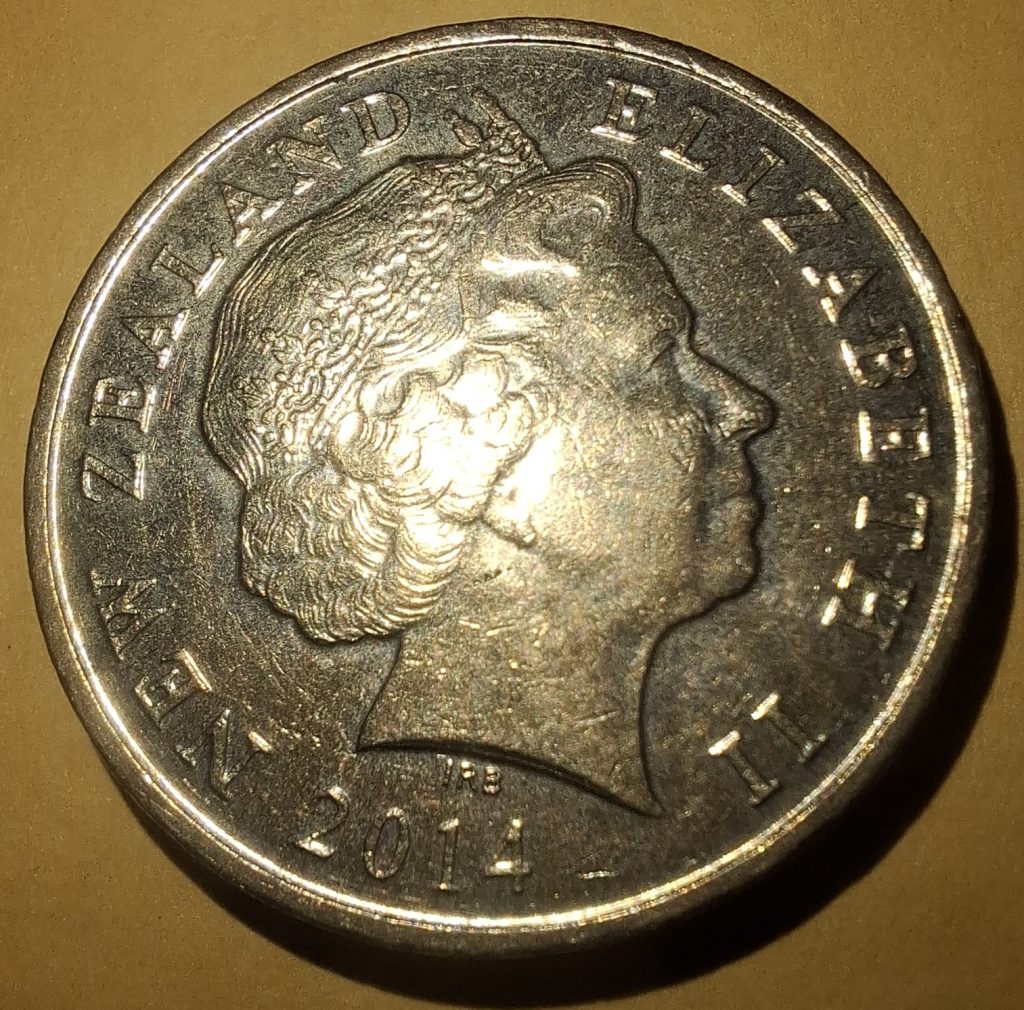
The notes and coins of the New Zealand pound featured national symbols, such as the kiwi, the huia bird, and Queen Elizabeth II, reflecting a blend of local identity and British heritage.
4. Decimalization and the Birth of the New Zealand Dollar (1967)
On 10 July 1967, New Zealand took a major step forward by adopting the decimal system and replacing the pound with the New Zealand dollar (NZD).
The conversion rate was 1 pound = 2 New Zealand dollars, and the new currency was divided into 100 cents.
This transition was accompanied by a major public awareness campaign known as “Decimal Currency Day.”
The new notes and coins featured distinctly New Zealand designs — native species, cultural motifs, and national icons — reinforcing both monetary independence and national identity.
5. Evolution and Modernization
In the decades that followed, the New Zealand dollar underwent several significant updates:
- 1980s–1990s: Banknotes were redesigned to feature cultural themes and historical figures, such as Sir Edmund Hillary (the famous mountaineer) and scientist Ernest Rutherford.
- 1991: Introduction of bimetallic coins and replacement of lower-denomination notes with coins.
- 1999: The Reserve Bank of New Zealand issued polymer banknotes, making the country one of the first in the world to adopt this durable and secure material.
- 2015: Launch of the “Brighter Money” series — redesigned notes with enhanced security and visual features.
6. The New Zealand Dollar Today
Today, the New Zealand dollar (NZD) ranks among the 10 most traded currencies in the world.
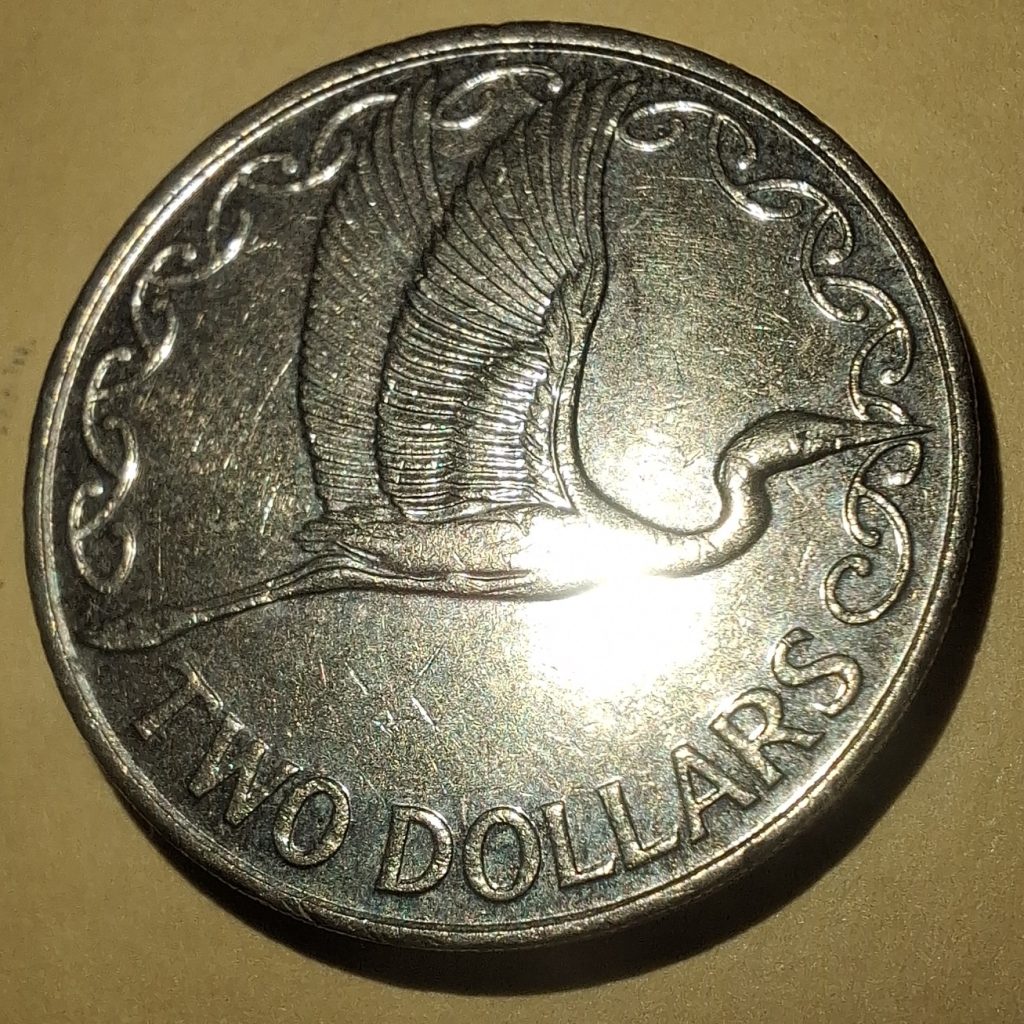
It is often nicknamed the “Kiwi dollar”, a reference to the national bird featured on the coins.
The currency is managed by the Reserve Bank of New Zealand, and its value floats freely on international markets.
The NZD is also used in some territories associated with New Zealand, such as Niue, Tokelau, and the Cook Islands (the latter sharing it alongside their own local variant).
Conclusion
The history of New Zealand’s currency reflects the country’s transformation — from a British colony to a modern, independent nation.
From the imperial pound to the Pacific dollar, each stage represents a growing assertion of New Zealand’s economic and cultural identity on the global stage.