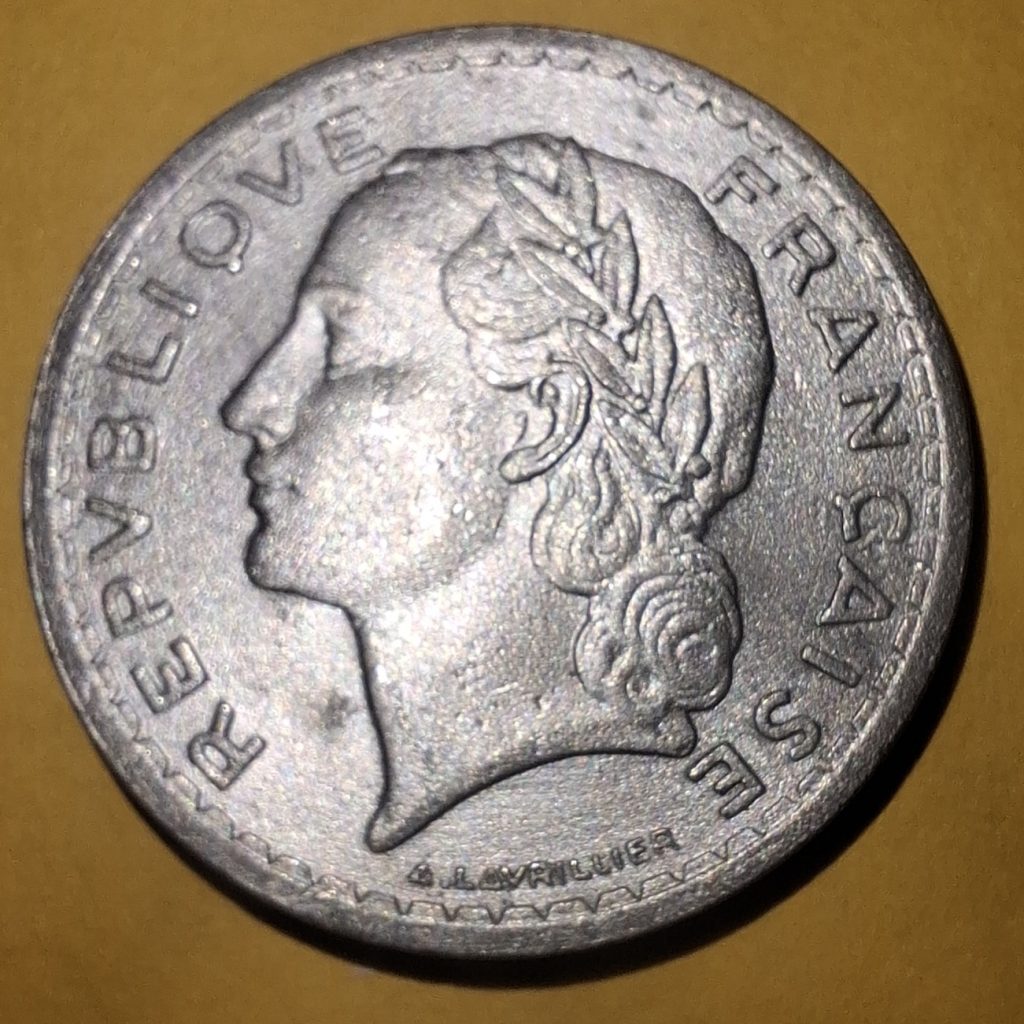
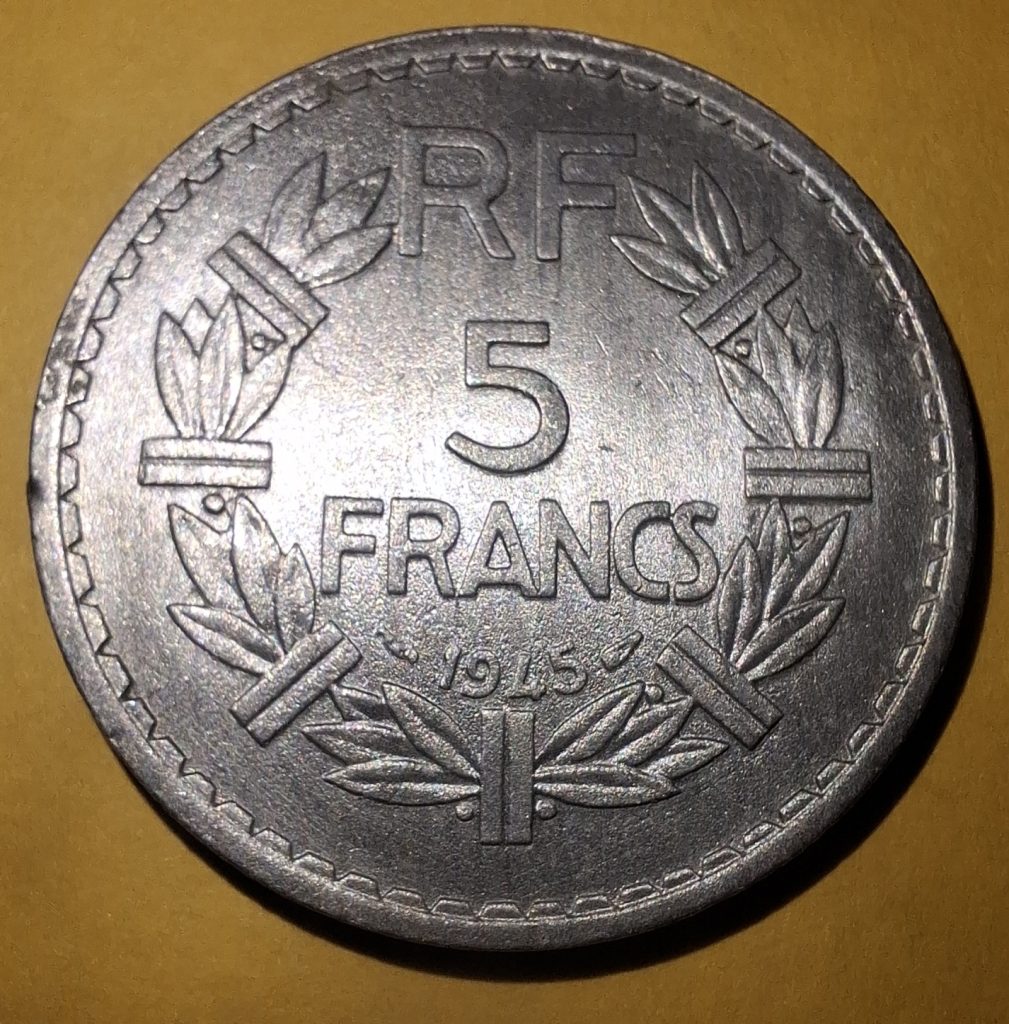
The history of French currency is a fascinating reflection of the country’s political, economic, and cultural evolution.
From the first medieval deniers to the modern euro, French money has accompanied the transformation of the state and society for more than a thousand years.
1. Medieval Origins: The Denier and Monetary Fragmentation
France’s monetary history begins in the Middle Ages, with the denier (or denarius), introduced by Charlemagne at the end of the 8th century.
During the Carolingian Empire, the denier became the basic unit of value and accounting, serving as a model for many European currencies.
As feudal power fragmented between the 9th and 12th centuries, different regions began to mint their own coins.
Local currencies such as the denier tournois (from Tours) and the denier parisis (from Paris) appeared, reflecting the political decentralization of the era.
2. The Franc: Birth of a National Symbol
The franc was born in 1360, during the Hundred Years’ War, when King John II “the Good” was released from English captivity after paying a ransom.
The coin minted to commemorate this event was called the “franc à cheval,” symbolizing the monarch’s “franchise” — his liberation.
Over the following centuries, the franc became one of France’s most prominent currencies.
Under Henry IV (1589–1610), and later Louis XIII, monetary reforms were introduced to ensure greater stability.
Nevertheless, the system remained complex, with multiple denominations in gold, silver, and copper.
3. Revolutionary Reforms and the Franc Germinal
The French Revolution (1789) marked a decisive turning point.
In 1795, the revolutionary government officially adopted the franc as the monetary unit of the Republic, replacing the old royal system.
The Franc Germinal, created by Napoleon Bonaparte in 1803, established a solid foundation:
1 franc = 5 grams of pure silver.
This metallic standard brought stability to the French economy and inspired several other European nations.
During the 19th century, the franc became an international benchmark currency, especially after the creation of the Latin Monetary Union (1865), which united France, Belgium, Switzerland, and Italy under shared monetary standards.
4. The 20th Century: Wars, Devaluations, and the New Franc
The two world wars and subsequent economic crises heavily affected the franc.
During World War I, France abandoned the gold standard and experienced strong inflation.
After World War II, further instability followed.
In 1960, General Charles de Gaulle and Finance Minister Antoine Pinay introduced the new franc (NF), valued at 100 old francs.
This “franc fort” (strong franc) aimed to restore confidence in the French economy.
5. From the Franc to the Euro: The European Era
With European integration in the 1980s and 1990s, France became one of the main driving forces behind the Economic and Monetary Union.
In 1999, the euro was introduced as an accounting currency, and on January 1, 2002, it entered physical circulation, permanently replacing the franc.
The conversion rate was set at 1 euro = 6.55957 French francs.
The euro came to symbolize not only a new economic phase but also a shared European identity and the growing interdependence among nations.
6. Conclusion
The history of currency in France mirrors the nation’s own journey — through eras of glory, crisis, reform, and renewal.
From the Carolingian denier to the Napoleonic franc, and finally to the modern euro, French money has always reflected the country’s strength and transformation.
More than mere metal or paper, each French coin tells part of the political, economic, and symbolic story of one of Europe’s most influential nations.