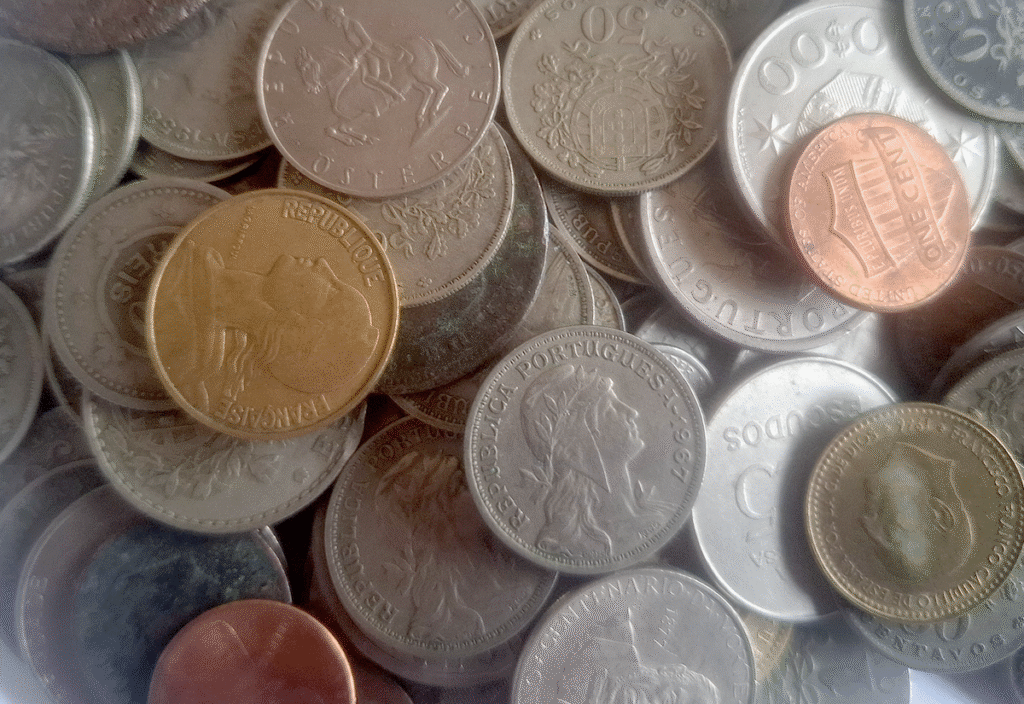
Have you ever found an old coin and wondered where it came from? That curiosity is the first step into the fascinating world of numismatics — the study and collection of coins.
In this article, we’ll explain what numismatics is, where this practice originated, and why so many people around the world collect coins — whether for passion, culture, or investment.
What Is Numismatics?
Numismatics is the science that studies coins, medals, banknotes, and other objects used as means of exchange throughout history.
But it goes beyond the simple act of collecting — it is a way to preserve history and understand the economic, political, and artistic evolution of humankind.
Each coin bears symbols, inscriptions, and figures that tell something about the time and place in which it was created. Observing these details is like holding a piece of history in your hands.
The Historical Origins of Numismatics
The first coins appeared around the 7th century BC in ancient Lydia (modern-day Turkey). Over time, the Greeks and Romans perfected the process, turning coins into true instruments of political and cultural propaganda.
In Ancient Rome, for example, coins displayed the emperor’s face to reinforce his authority throughout the empire.
During the Middle Ages, kings and nobles began collecting rare coins as symbols of status and erudition — and thus numismatics started to gain recognition as a respected pursuit.
Today, that tradition remains alive, attracting curious minds, historians, and investors of all ages.
Why Do People Collect Coins?
Coin collecting is an activity that combines emotion and intellect. Each person has a different motivation — and often, several of them overlap.
1. Historical Fascination
Collectors see coins as tiny time capsules. Every piece has a story, and uncovering its origin is like solving a historical puzzle.
2. Beauty and Artistic Value
Coins are miniature works of art. Their designs and engravings reflect the aesthetics, values, and beliefs of their time.
3. Emotional Connection
Many people inherit coins from family members or keep coins from past travels. In these cases, a collection becomes a sentimental bridge to the past.
4. Challenge and Enjoyment
The hunt for rare coins is thrilling — there is always a new piece to find, a limited edition to chase, or a historical curiosity to uncover.
5. Financial Value and Investment
Some rare coins reach very high prices at auctions. For that reason, many see numismatics as an alternative form of investment — although the true value often lies in the story each piece tells.
Numismatics Today
Thanks to the internet, numismatics has become more accessible than ever. There are online communities, forums, and fairs dedicated to coin trading and knowledge sharing.
Modern collectors often focus on specific themes, such as:
- Commemorative euro coins
- Coins from countries they’ve visited
- Historical series, like Roman Empire coins or colonial issues
Regardless of the focus, the joy of collecting remains the same — to discover, to learn, and to preserve.
5 Tips to Start Your Own Coin Collection
- Start with what you already have
Search drawers, safes, and old keepsakes — you might uncover hidden treasures. - Define a theme or focus
Choose a criterion: country, era, material, coin type, or commemorative theme. This makes your collection more coherent and meaningful. - Take good care of your coins
Avoid touching coin surfaces directly. Use albums, capsules, or special envelopes for storage. - Study and stay informed
Read books, follow expert channels, and join collector groups. Knowledge is what separates a curious beginner from a true numismatist. - Enjoy the process
Numismatics is a journey — each discovery is a new story to tell.
Conclusion
Numismatics is much more than collecting coins — it’s about collecting stories, art, and knowledge.
Each coin represents an era, a people, and a culture. Whether out of curiosity, passion, or investment, starting a collection opens a door to the past and helps create a cultural legacy that can last for generations.