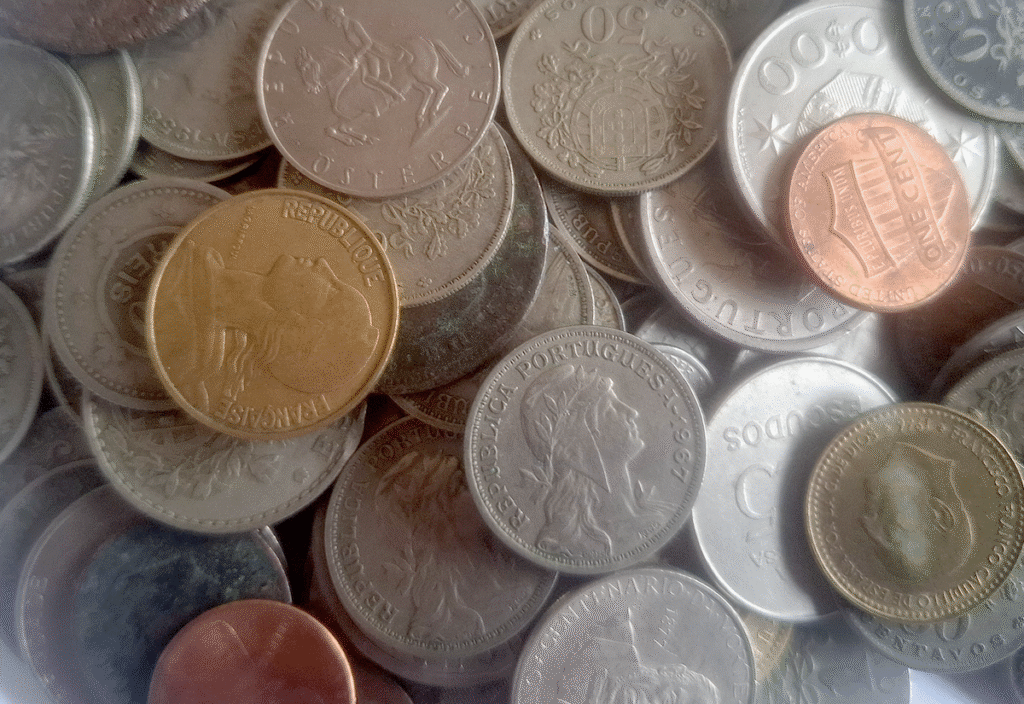
Numismatics is the study of coins, medals, banknotes, and other objects related to monetary circulation throughout history. More than just a simple collection of old coins, numismatics is an auxiliary science of history and economics, as it reveals valuable information about societies, cultures, governments, and economic systems from different eras.
Origin and meaning of the term
The word numismatics comes from the Latin numisma or nomisma, which in turn derives from the Greek nomisma (νόμισμα), meaning “coin” or “that which is accepted by custom.” The term began to be used in Europe in the 17th century to designate the systematic study of ancient coins and medals.
What numismatics studies
Numismatics is not limited to the collection of coins. It involves the analysis of several aspects, such as:
- History and chronology: allows the identification of historical periods, rulers, and significant events represented on coins.
- Economy and trade: reveals how ancient societies produced, distributed, and used money.
- Art and symbolism: the images and inscriptions on coins reflect cultural, religious, and political values.
- Metallurgy and technology: the study of materials and minting techniques shows the technological advances of each era.
Types of numismatics
Numismatics can be divided into several specialized areas, including:
- Ancient numismatics: focuses on Greek, Roman, Byzantine, and other ancient civilizations’ coins.
- Medieval numismatics: studies coins from the period between Antiquity and the Modern Age.
- Modern and contemporary numismatics: covers coins from the 15th century to the present day.
- Notaphily: the branch dedicated to the study and collection of paper money.
- Medallistics: the field that analyzes commemorative and artistic medals.
Importance of numismatics
Numismatics is an essential tool for understanding human history. Through coins, it is possible to identify:
- Who ruled during a certain period;
- The symbols and ideologies of an empire or nation;
- Trade routes and political alliances;
- Economic and technological transformations.
Moreover, numismatics has great cultural and educational value, encouraging the study of history, art, and geography. It is also a popular hobby worldwide, attracting collectors who see in coins true miniature works of art.
Conclusion
Numismatics is much more than collecting old coins — it is a bridge between the past and the present, a field that combines history, art, economics, and science. By studying a coin, the numismatist uncovers fragments of time, revealing stories that are often not written in books.